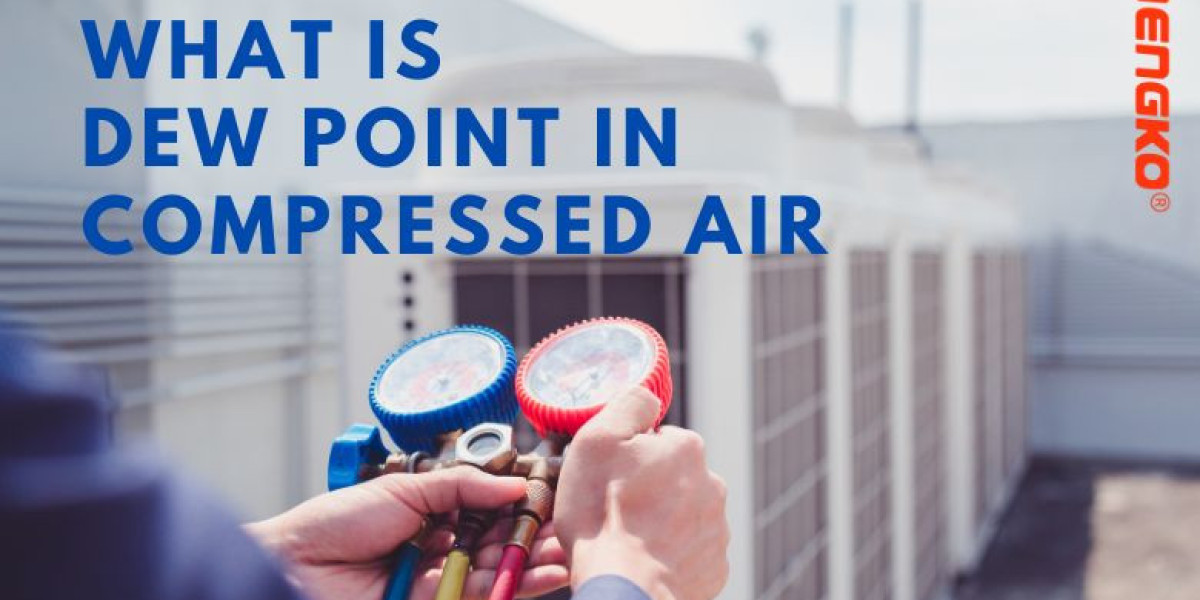
Compressed air is widely used across industries—from manufacturing and pharmaceuticals to food processing and electronics. While it may seem clean and dry, compressed air often contains moisture that can cause serious problems if not properly controlled. This makes understanding compressed air dewpoint and effective moisture management essential for maintaining system efficiency and reliability.
What Is Compressed Air Dewpoint?
The compressed air dewpoint is the temperature at which water vapor in compressed air begins to condense into liquid. When air is compressed, its temperature rises, and its ability to hold moisture changes. As the air cools, excess moisture condenses, leading to water accumulation in the system.
A lower dewpoint means drier air, while a higher dewpoint indicates more moisture present.
Why Moisture in Compressed Air Is a Problem
Moisture in compressed air systems can lead to several issues:
- Corrosion and Rust
Water causes pipelines, valves, and equipment to corrode over time. - Equipment Damage
Pneumatic tools and machinery can fail due to moisture exposure. - Product Contamination
In industries like food and pharmaceuticals, moisture can compromise product quality. - Reduced Efficiency
Wet air can lower system performance and increase energy consumption. - Freezing in Cold Conditions
Moisture can freeze in pipelines, causing blockages and system failures.
Importance of Dewpoint Control
Maintaining the correct dewpoint is crucial for:
1. System Reliability
Dry air ensures smooth operation of equipment and reduces unexpected breakdowns.
2. Product Quality
Controlled moisture levels prevent contamination and defects.
3. Energy Efficiency
Proper moisture management reduces the load on air dryers and compressors.
4. Compliance with Standards
Standards like ISO 8573 require specific moisture limits for compressed air quality.
How Dewpoint Is Measured
Dewpoint in compressed air systems is measured using specialized instruments such as:
- Dew point sensors – Detect moisture levels directly
- Dew point transmitters – Provide continuous monitoring and data output
- Portable hygrometers – Used for spot measurements and troubleshooting
These devices help operators monitor moisture levels in real time and take corrective action when needed.
Methods of Moisture Control
Effective moisture control involves a combination of equipment and monitoring:
? Air Dryers
Air dryers are the primary method of removing moisture from compressed air.
- Refrigerated dryers – Suitable for general applications
- Desiccant dryers – Used for low dewpoint requirements
- Membrane dryers – Compact and energy-efficient
? Filtration Systems
Filters remove water droplets, oil, and contaminants from the air stream.
? Proper System Design
- Use of drain systems to remove accumulated water
- Correct pipe sizing and layout
- Installation of moisture separators
? Continuous Monitoring
Using dewpoint transmitters ensures that moisture levels remain within acceptable limits at all times.
Best Practices for Moisture Management
To maintain optimal compressed air quality:
- Install dryers and filters at appropriate locations
- Regularly maintain and service equipment
- Monitor dewpoint continuously
- Calibrate measurement instruments periodically
- Inspect pipelines for leaks or water accumulation
Choosing the Right Dewpoint Level
Different applications require different dewpoint levels:
- General industrial use: Moderate dewpoint (e.g., +3°C)
- Sensitive applications: Low dewpoint (e.g., -40°C or lower)
- Critical environments: Ultra-low dewpoint (below -70°C)
Selecting the right level depends on the sensitivity of your process and environmental conditions.
Final Thoughts
Understanding compressed air dewpoint and moisture control is essential for maintaining efficient and reliable industrial operations. Moisture may be invisible, but its impact can be significant—causing damage, reducing efficiency, and increasing costs.
By implementing proper monitoring systems, using effective drying methods, and following best practices, businesses can ensure dry, high-quality compressed air.
In today’s demanding industrial landscape, controlling moisture isn’t just good practice—it’s a necessity for long-term success.