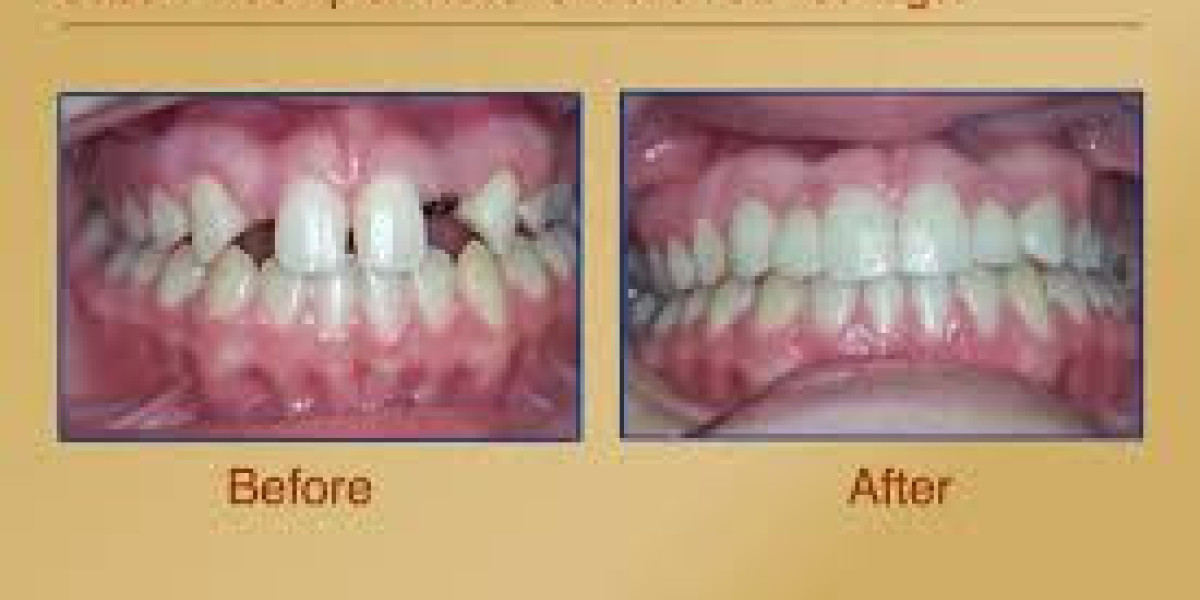
Dental Crowns: Restore, Protect, and Strengthen Your Teeth for a Healthy Smile
A healthy smile is essential for both oral health and self-confidence. Strong teeth allow you to eat comfortably, speak clearly, and smile without hesitation. However, teeth can become damaged due to decay, injury, fractures, grinding, or years of wear and tear. When a tooth is weakened or damaged, it requires proper treatment to prevent further complications. One of the most effective solutions available today is a dental crown.
Dental crowns are a trusted restorative treatment that helps restore damaged teeth, protect them from future harm, and strengthen their structure. They offer both functional and cosmetic benefits, making them a popular choice for patients looking to maintain a healthy and attractive smile.
What Are Dental Crowns?
A dental crown is a custom-made cap that covers the entire visible portion of a damaged or weakened tooth. It is designed to restore the tooth’s shape, size, strength, and appearance while providing long-term protection.
Dental crowns are crafted from durable materials and customized to blend naturally with your surrounding teeth. Once placed, they function like natural teeth and help restore normal oral function.
Why Are Dental Crowns Needed?
Dental crowns are recommended when a tooth is too damaged to be repaired with a filling or bonding treatment alone. They provide extra support and protection while preserving the remaining natural tooth structure.
Common reasons for getting a dental crown include:
- Severe tooth decay
- Cracked or broken teeth
- Large fillings that weaken the tooth
- Teeth treated with root canal therapy
- Worn-down teeth caused by grinding
- Misshapen teeth
- Discolored teeth
- Dental implant restorations
- Support for dental bridges
By addressing these issues, dental crowns help improve oral health and preserve natural teeth.
How Dental Crowns Restore Teeth
Rebuild Damaged Tooth Structure
When a tooth has been damaged by decay or injury, a dental crown restores its original shape and size. The crown covers the damaged area and reinforces the remaining tooth structure.
This restoration allows the tooth to function properly again.
Improve Chewing Ability
Damaged teeth can make chewing difficult and uncomfortable. Dental crowns restore the strength and stability of the tooth, making it easier to eat a variety of foods without discomfort.
Restore Tooth Function
Teeth play a crucial role in speech and daily activities. A crown helps restore the natural function of a damaged tooth, allowing patients to speak and chew more effectively.
How Dental Crowns Protect Teeth
Prevent Further Damage
One of the primary benefits of dental crowns is their ability to protect weakened teeth from additional harm. The crown acts as a protective shield against chewing pressure, bacteria, and physical stress.
This protection helps preserve the tooth for many years.
Support Root Canal-Treated Teeth
After root canal treatment, a tooth can become more fragile because the inner pulp has been removed. Dental crowns provide essential reinforcement and help prevent fractures.
Reduce the Risk of Tooth Loss
Without proper treatment, a severely damaged tooth may eventually require extraction. Dental crowns help save natural teeth by strengthening and protecting them before the damage becomes irreversible.
How Dental Crowns Strengthen Teeth
Reinforce Weak Teeth
A weakened tooth may crack or break under normal pressure. Dental crowns strengthen the tooth by surrounding it with a durable protective layer.
This reinforcement allows the tooth to withstand everyday chewing and biting forces.
Provide Long-Term Durability
Dental crowns are made from strong materials designed to last for many years. With proper care, they offer long-term support and protection for damaged teeth.
Improve Overall Oral Health
By protecting and preserving natural teeth, dental crowns contribute to better oral health and help prevent future dental problems.
Cosmetic Benefits of Dental Crowns
Enhance Smile Appearance
Dental crowns are designed to look natural and attractive. They can improve the appearance of:
- Chipped teeth
- Cracked teeth
- Discolored teeth
- Misshapen teeth
- Worn-down teeth
This makes crowns an excellent option for improving smile aesthetics.
Create a Natural Look
Modern crowns are carefully matched to the color and shape of surrounding teeth. This ensures a seamless appearance that blends naturally with your smile.
Boost Confidence
A damaged smile can affect self-esteem. Dental crowns restore the appearance of teeth and help patients feel more confident when smiling, speaking, and interacting with others.
Types of Dental Crowns
Several crown materials are available to suit different needs.
Porcelain Crowns
Porcelain crowns closely resemble natural tooth enamel and are ideal for front teeth.
Ceramic Crowns
Ceramic crowns offer excellent aesthetics and are a popular metal-free option.
Metal Crowns
Metal crowns are highly durable and commonly used for back teeth.
Porcelain-Fused-to-Metal Crowns
These crowns combine the strength of metal with the appearance of porcelain.
Zirconia Crowns
Zirconia crowns provide exceptional durability and a natural appearance, making them one of the most popular choices today.
The Dental Crown Procedure
Getting a dental crown typically involves two visits.
First Appointment
During the first visit:
- The dentist examines the tooth.
- Damaged areas are removed.
- The tooth is reshaped.
- Impressions are taken.
- A temporary crown may be placed.
Second Appointment
When the permanent crown is ready:
- The temporary crown is removed.
- The crown is checked for fit and appearance.
- Necessary adjustments are made.
- The crown is permanently bonded to the tooth.
After placement, the crown feels comfortable and functions like a natural tooth.
Caring for Your Dental Crown
To keep your dental crown in excellent condition:
- Brush twice daily with fluoride toothpaste.
- Floss regularly.
- Avoid chewing hard objects.
- Wear a nightguard if you grind your teeth.
- Visit your dentist regularly for checkups and cleanings.
Good oral hygiene helps extend the lifespan of your crown and protect the underlying tooth.
Conclusion
Dental crowns are an excellent solution for restoring, protecting, and strengthening damaged teeth. They help rebuild tooth structure, improve chewing ability, prevent further damage, and enhance the appearance of your smile. Whether you need to repair a cracked tooth, strengthen a weakened tooth, or improve your smile’s aesthetics, dental crowns provide a reliable and long-lasting solution.
Dental Crowns: Restore, Protect, and Strengthen Your Teeth for a Healthy Smile
A healthy smile is essential for both oral health and self-confidence. Strong teeth allow you to eat comfortably, speak clearly, and smile without hesitation. However, teeth can become damaged due to decay, injury, fractures, grinding, or years of wear and tear. When a tooth is weakened or damaged, it requires proper treatment to prevent further complications. One of the most effective solutions available today is a dental crown.
Dental crowns are a trusted restorative treatment that helps restore damaged teeth, protect them from future harm, and strengthen their structure. They offer both functional and cosmetic benefits, making them a popular choice for patients looking to maintain a healthy and attractive smile.
What Are Dental Crowns?
A dental crown is a custom-made cap that covers the entire visible portion of a damaged or weakened tooth. It is designed to restore the tooth’s shape, size, strength, and appearance while providing long-term protection.
Dental crowns are crafted from durable materials and customized to blend naturally with your surrounding teeth. Once placed, they function like natural teeth and help restore normal oral function.
Why Are Dental Crowns Needed?
Dental crowns are recommended when a tooth is too damaged to be repaired with a filling or bonding treatment alone. They provide extra support and protection while preserving the remaining natural tooth structure.
Common reasons for getting a dental crown include:
- Severe tooth decay
- Cracked or broken teeth
- Large fillings that weaken the tooth
- Teeth treated with root canal therapy
- Worn-down teeth caused by grinding
- Misshapen teeth
- Discolored teeth
- Dental implant restorations
- Support for dental bridges
By addressing these issues, dental crowns help improve oral health and preserve natural teeth.
How Dental Crowns Restore Teeth
Rebuild Damaged Tooth Structure
When a tooth has been damaged by decay or injury, a dental crown restores its original shape and size. The crown covers the damaged area and reinforces the remaining tooth structure.
This restoration allows the tooth to function properly again.
Improve Chewing Ability
Damaged teeth can make chewing difficult and uncomfortable. Dental crowns restore the strength and stability of the tooth, making it easier to eat a variety of foods without discomfort.
Restore Tooth Function
Teeth play a crucial role in speech and daily activities. A crown helps restore the natural function of a damaged tooth, allowing patients to speak and chew more effectively.
How Dental Crowns Protect Teeth
Prevent Further Damage
One of the primary benefits of dental crowns is their ability to protect weakened teeth from additional harm. The crown acts as a protective shield against chewing pressure, bacteria, and physical stress.
This protection helps preserve the tooth for many years.
Support Root Canal-Treated Teeth
After root canal treatment, a tooth can become more fragile because the inner pulp has been removed. Dental crowns provide essential reinforcement and help prevent fractures.
Reduce the Risk of Tooth Loss
Without proper treatment, a severely damaged tooth may eventually require extraction. Dental crowns help save natural teeth by strengthening and protecting them before the damage becomes irreversible.
How Dental Crowns Strengthen Teeth
Reinforce Weak Teeth
A weakened tooth may crack or break under normal pressure. Dental crowns strengthen the tooth by surrounding it with a durable protective layer.
This reinforcement allows the tooth to withstand everyday chewing and biting forces.
Provide Long-Term Durability
Dental crowns are made from strong materials designed to last for many years. With proper care, they offer long-term support and protection for damaged teeth.
Improve Overall Oral Health
By protecting and preserving natural teeth, dental crowns contribute to better oral health and help prevent future dental problems.
Cosmetic Benefits of Dental Crowns
Enhance Smile Appearance
Dental crowns are designed to look natural and attractive. They can improve the appearance of:
- Chipped teeth
- Cracked teeth
- Discolored teeth
- Misshapen teeth
- Worn-down teeth
This makes crowns an excellent option for improving smile aesthetics.
Create a Natural Look
Modern crowns are carefully matched to the color and shape of surrounding teeth. This ensures a seamless appearance that blends naturally with your smile.
Boost Confidence
A damaged smile can affect self-esteem. Dental crowns restore the appearance of teeth and help patients feel more confident when smiling, speaking, and interacting with others.
Types of Dental Crowns
Several crown materials are available to suit different needs.
Porcelain Crowns
Porcelain crowns closely resemble natural tooth enamel and are ideal for front teeth.
Ceramic Crowns
Ceramic crowns offer excellent aesthetics and are a popular metal-free option.
Metal Crowns
Metal crowns are highly durable and commonly used for back teeth.
Porcelain-Fused-to-Metal Crowns
These crowns combine the strength of metal with the appearance of porcelain.
Zirconia Crowns
Zirconia crowns provide exceptional durability and a natural appearance, making them one of the most popular choices today.
The Dental Crown Procedure
Getting a dental crown typically involves two visits.
First Appointment
During the first visit:
- The dentist examines the tooth.
- Damaged areas are removed.
- The tooth is reshaped.
- Impressions are taken.
- A temporary crown may be placed.
Second Appointment
When the permanent crown is ready:
- The temporary crown is removed.
- The crown is checked for fit and appearance.
- Necessary adjustments are made.
- The crown is permanently bonded to the tooth.
After placement, the crown feels comfortable and functions like a natural tooth.
Caring for Your Dental Crown
To keep your dental crown in excellent condition:
- Brush twice daily with fluoride toothpaste.
- Floss regularly.
- Avoid chewing hard objects.
- Wear a nightguard if you grind your teeth.
- Visit your dentist regularly for checkups and cleanings.
Good oral hygiene helps extend the lifespan of your crown and protect the underlying tooth.
Conclusion
Dental crowns are an excellent solution for restoring, protecting, and strengthening damaged teeth. They help rebuild tooth structure, improve chewing ability, prevent further damage, and enhance the appearance of your smile. Whether you need to repair a cracked tooth, strengthen a weakened tooth, or improve your smile’s aesthetics, dental crowns provide a reliable and long-lasting solution.