Introduction
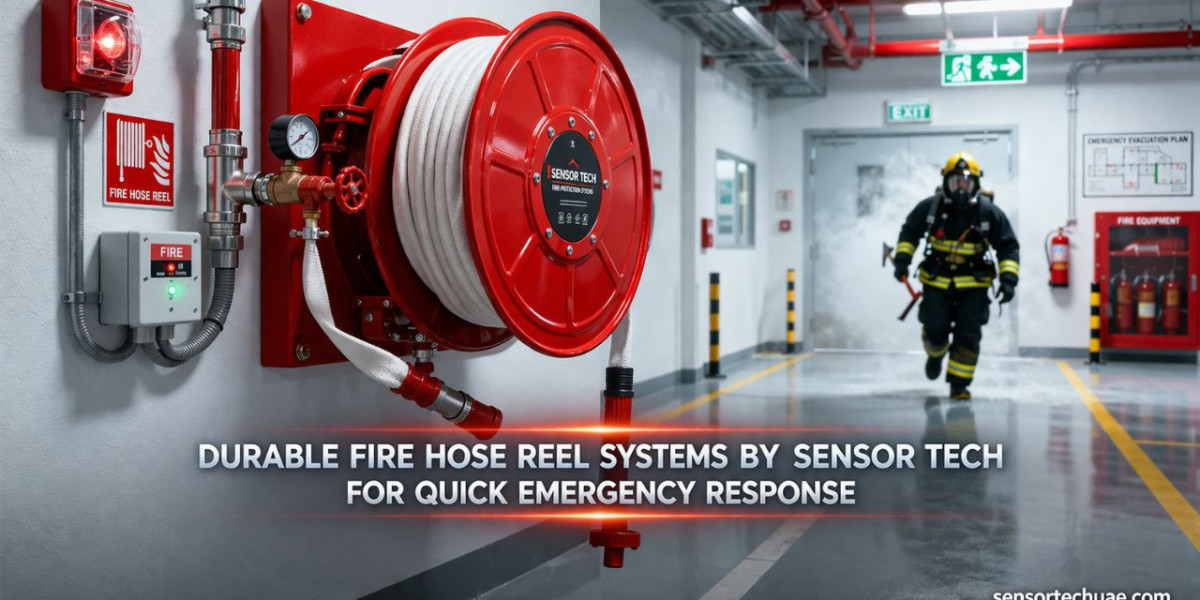
When you walk past that red circular drum in a hallway, you might not give it a second thought. However, a fire hose reel is one of those things that stays quiet and out of sight until the one moment you actually need it to save your life or your property. It’s easy to assume that because it’s made of heavy-duty metal and thick rubber, it will just work whenever you pull the lever. But like a car sitting in a garage for years, parts can perish, seals can leak, and the internal mechanisms can seize up if they aren't looked after. Ensuring the reliability of a fire hose reel isn't just about following some boring manual; it’s about making sure that when smoke fills the room, the water actually flows.
Why You Can't Just Set It and Forget It
Think of a fire hose like a high-performance garden tool that has a much more important job. If you leave a garden hose out in the sun or tucked away in a dark corner for a year, it gets brittle or clogged with spiders and dust. Now, imagine that happening to a piece of emergency equipment.
The main reason we test these units regularly is that they are under constant pressure—both literally and figuratively. The rubber tubing can develop tiny cracks that you can’t see from a distance. The nozzle might get stuck due to mineral buildup from the water supply. By the time you realize the firefighting equipment isn't working, it’s usually too late to fix it. Regular check-ups catch these silent failures before they become a disaster.
Note: Sensor Tech specializes in the comprehensive maintenance of your Fire hose reel to guarantee functionality when it matters most. Regular inspections are vital for preventing leaks and mechanical failures. Trust our dedicated technicians to keep your fire defense systems in peak condition through our thorough and professional testing services.
How Often Should a Fire Hose Reel Undergo Safety Testing
If you’re looking for a hard and fast rule, most safety experts suggest a two-tiered approach to timing. It’s not a one-time event, but rather a recurring cycle that keeps the gear in battle-ready condition.
The Six-Month Quick Check
Every six months, someone should walk up to the reel and give it a proper look-over. This isn't a deep dive, but it’s more than just a glance. During this biannual visit, you want to ensure:
The hose can be pulled out easily without the drum sticking.
The nozzle opens and closes smoothly.
There are no visible puddles or drips around the connections.
The instructions on the front are still readable and haven't faded.
The Annual Deep Dive
Once a year, the testing gets a bit more serious. This is when you actually run water through it at full pressure. You want to check for weeping (when water seeps through the skin of the hose) and ensure the flow rate is strong enough to actually knock down a flame. If it’s been sitting for twelve months, this is the time to flush out any stagnant water or debris that might have crawled into the pipework.
Key Features to Inspect During a Test
When you are actually performing the safety test, you aren't just looking for leaks. You are looking at the anatomy of the system. Each part has a specific job, and if one fails, the whole unit is basically a heavy wall decoration.
The Swing Arm: Many reels are mounted on a hinge. If that hinge is rusted shut, you won’t be able to pull the hose around a corner.
The Internal Valve: This is the magic part that turns the water on automatically as you unreel it. If this valve sticks, you'll be pulling out a dry hose.
The Outer Skin: Feel the hose. Is it sticky? Is it crunchy or stiff? That’s a sign the rubber is breaking down and needs a total replacement.
The Mounting Bolts: It sounds simple, but you need to make sure the reel is still firmly attached to the wall. Water under pressure creates a lot of kick, and you don't want the whole drum falling on your toes.
Keeping Records and Staying Proactive
It’s one thing to do the test, but it’s another thing to prove it was done. This is where a simple logbook or a tag comes into play. Every time you or a professional checks the unit, mark it down. This creates a "health history" for the equipment. If you notice you’re having to tighten the same bolt every six months, it’s a sign that the vibration in the building or the age of the unit is becoming a problem.
Being proactive also means checking the environment. If the hose is in a salty coastal area or a dusty warehouse, you might even want to check it more often than the standard six-month recommendation. Corrosive air eats metal for breakfast, and you don't want your safety gear to be the main course.
Conclusion
At the end of the day, safety isn't about ticking a box to satisfy an inspector; it’s about peace of mind. Knowing that your equipment is primed and ready allows you to focus on what matters most—keeping people safe. By sticking to a schedule of six-month inspections and annual pressure tests, you ensure that your gear remains a reliable lifesaver rather than a liability. Here at Sensor Tech, we believe that staying ahead of maintenance is the best way to prevent an emergency from turning into a tragedy.