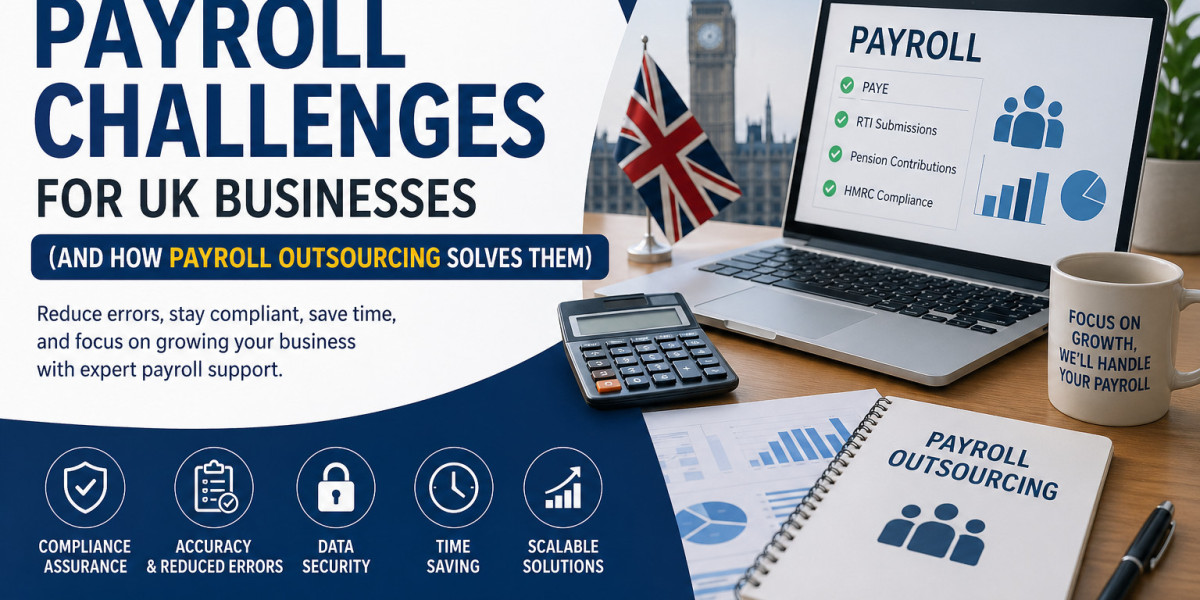
HMRC Payroll Compliance Guide for UK SMEs: PAYE, RTI and Payroll Deadlines Explained
Running payroll in the UK is no longer just about paying employees on time. For small and medium-sized businesses, payroll has become a compliance function that directly affects financial accuracy, employee trust and HMRC reporting obligations. From PAYE registration to Real Time Information submissions, even a small payroll mistake can lead to penalties, compliance notices and avoidable administrative pressure.
For UK businesses, understanding HMRC payroll compliance is essential. It helps ensure employees are paid correctly, tax deductions are accurate and all payroll reporting obligations are met on time. For many SMEs, this is where experienced payroll consultants and outsourced payroll professionals add real value, reducing risk while improving payroll efficiency.
This guide explains what UK SMEs need to know about HMRC payroll compliance, including PAYE, RTI reporting and the key payroll deadlines every employer should monitor.
What Is HMRC Payroll Compliance?
HMRC payroll compliance refers to the legal and administrative responsibilities employers must meet when paying staff in the UK. It covers the correct calculation of wages, tax deductions, National Insurance contributions, pension obligations and timely reporting to HMRC.
In simple terms, payroll compliance means making sure your payroll process is accurate, documented and aligned with HMRC regulations.
For SMEs, this includes:
- Registering as an employer with HMRC
- Operating PAYE correctly
- Deducting Income Tax and National Insurance
- Submitting payroll data through RTI
- Paying HMRC on time
- Issuing year-end payroll documents
- Keeping accurate payroll records
Failure in any of these areas can lead to fines, payroll corrections and unnecessary compliance risk.
Understanding PAYE for UK SMEs
PAYE, short for Pay As You Earn, is HMRC’s system for collecting Income Tax and National Insurance directly from employee wages.
As an employer, you must register for PAYE before your first payday if you employ staff earning above HMRC thresholds or receiving expenses and benefits. Once registered, HMRC issues your employer PAYE reference and Accounts Office reference, both of which are required to run payroll correctly.
Under PAYE, employers are responsible for:
- Calculating employee tax deductions
- Applying the correct tax codes
- Deducting National Insurance contributions
- Recording statutory payments such as SSP or SMP
- Reporting deductions to HMRC
- Paying HMRC by the required deadline
For many SMEs, PAYE errors happen because payroll is treated as an admin task rather than a compliance process. Incorrect tax codes, outdated employee details and missed submissions can quickly create larger issues.
This is why many businesses work with payroll professionals or specialist consultants to strengthen payroll accuracy and reduce compliance exposure.
RTI Reporting Explained
Real Time Information, known as RTI, is the system employers use to report payroll data to HMRC every time employees are paid.
RTI reporting is one of the most important parts of HMRC payroll compliance because it gives HMRC real-time visibility into employee earnings, deductions and statutory payments.
There are two key RTI submissions employers need to understand:
Full Payment Submission (FPS)
An FPS must be sent to HMRC on or before the date employees are paid. This report includes:
- Employee pay
- Income Tax deductions
- National Insurance contributions
- Student loan deductions
- Pension contributions
- Statutory payments
- Starter and leaver details
Late FPS submissions are one of the most common payroll compliance issues for SMEs and can trigger automatic HMRC penalties.
Employer Payment Summary (EPS)
An EPS is used when adjustments need to be reported, such as:
- Recovering statutory pay
- Claiming Employment Allowance
- Reporting no payments made
- Apprenticeship Levy adjustments
EPS submissions are not required every pay run, but when needed they must be submitted accurately and on time.
Key HMRC Payroll Deadlines UK SMEs Must Track
Payroll compliance depends heavily on timing. Missing deadlines is one of the fastest ways to trigger penalties and compliance notices.
Here are the core payroll deadlines UK SMEs should monitor.
Every Payday
Submit FPS to HMRC on or before employees are paid.
19th of the Month
Submit EPS by the 19th if required, especially where adjustments or claims apply.
22nd of the Month
Pay PAYE and National Insurance to HMRC electronically by the 22nd of each month.
31 May
Issue P60s to all employees employed on 5 April.
6 July
Submit P11D and P11D(b) forms where benefits are not payrolled.
22 July
Pay Class 1A National Insurance on benefits in kind.
For SMEs, keeping track of these deadlines manually can become difficult, especially as teams grow. This is one reason businesses increasingly rely on payroll consultants and outsourced payroll specialists for deadline management and compliance control.
Common Payroll Compliance Mistakes SMEs Make
Many payroll issues do not come from complex tax rules. They come from avoidable process gaps.
The most common SME payroll mistakes include:
- Missing FPS deadlines
- Using incorrect tax codes
- Failing to update starter and leaver records
- Incorrect payroll IDs in RTI submissions
- Misreporting taxable pay
- Missing year-end forms
- Paying HMRC late
- Poor payroll record keeping
HMRC has also flagged payroll ID errors and incorrect RTI field completion as ongoing causes of duplicate records and reporting issues.
These mistakes often begin as small operational issues but can quickly become costly when penalties, employee disputes or HMRC corrections follow.
Why SMEs Use Payroll Consultants and Outsourced Payroll Professionals
For many SMEs, payroll compliance becomes harder as the business grows. More employees mean more reporting, more deadlines and greater exposure to error.
Working with payroll consultants or outsourced payroll professionals gives SMEs access to:
- Specialist payroll knowledge
- Better compliance oversight
- Accurate RTI submissions
- Deadline management
- Reduced internal admin burden
- Lower compliance risk
- Scalable payroll support
This approach is especially valuable for growing SMEs that need reliable payroll without building a full in-house payroll team.
Professional payroll consultants also help business owners focus on operations, while ensuring payroll remains compliant, efficient and audit-ready.
Final Thoughts
For UK SMEs, payroll is no longer just a finance task. It is a compliance responsibility that affects tax accuracy, reporting standards and business risk.
Understanding HMRC payroll compliance helps businesses stay ahead of penalties, improve payroll accuracy and build stronger internal controls. From PAYE setup to RTI reporting and annual deadlines, every part of the payroll cycle matters.
For SMEs looking to reduce payroll risk and improve compliance confidence, working with experienced payroll consultants and outsourced payroll professionals can provide the structure, accuracy and support needed for long-term success.