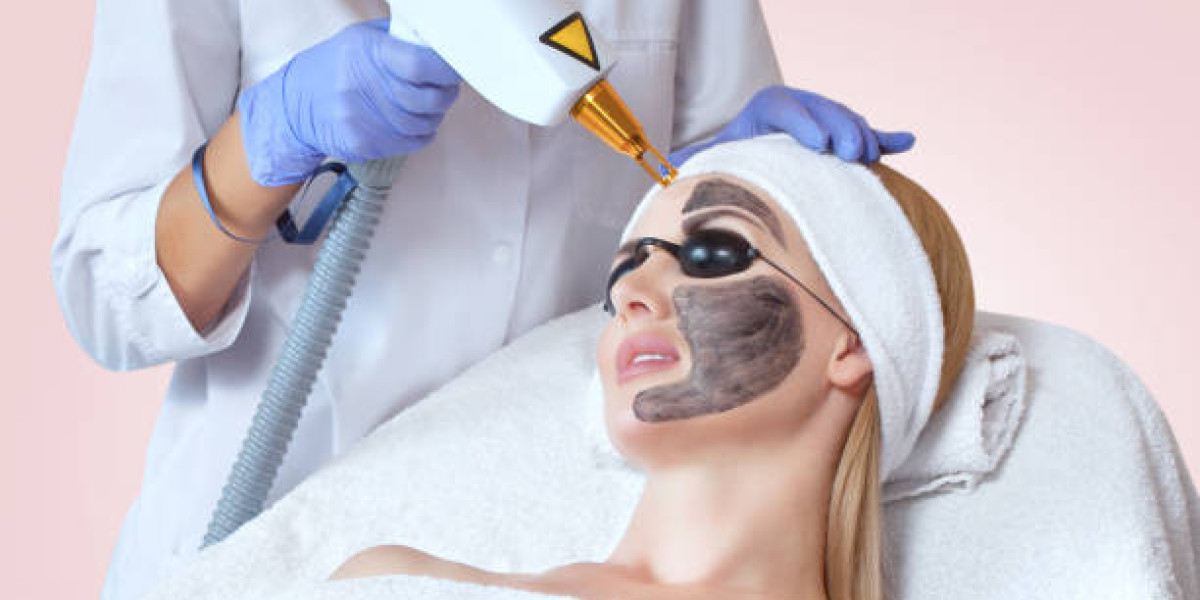
Modern aesthetic treatments continue to evolve, offering safer and more targeted solutions for different skin concerns. Among the most advanced technologies available today is the Q-switched Laser in Riyadh, known for its precision, versatility, and ability to address multiple skin imperfections without extensive downtime. Q-Switched laser RiyadhThis laser technology uses high-intensity pulses delivered within extremely short durations, helping break down pigmentation and stimulate healthier-looking skin.
Unlike traditional laser systems, Q-switched lasers are designed to target unwanted pigments while minimizing damage to surrounding tissues. This makes them a preferred option for individuals seeking skin rejuvenation, tattoo removal, acne scar improvement, and pigmentation correction.
What Makes Q-Switched Lasers Different?
Q-switched lasers work by producing concentrated beams of energy in nanoseconds. These ultra-short pulses create a photoacoustic effect that shatters pigment particles into tiny fragments. The body’s natural healing system then gradually eliminates these particles over time.
Key Features of Q-Switched Lasers
- High-energy laser pulses with minimal skin damage
- Suitable for various pigmentation concerns
- Can treat different skin types effectively
- Supports collagen stimulation and skin renewal
- Non-invasive procedure with limited recovery time
Because of their controlled precision, these lasers are widely used in dermatology and cosmetic treatments worldwide.
Understanding Laser Wavelengths
Different wavelengths determine how deeply the laser penetrates the skin and which pigments it can target. Each wavelength is selected according to the skin concern being treated.
1064 nm Wavelength
The 1064 nm wavelength penetrates deeply into the skin and is commonly used for:
- Deep pigmentation
- Dark tattoos
- Melasma management
- Skin rejuvenation
This wavelength is considered safer for darker skin tones because it bypasses much of the skin’s surface pigment.
532 nm Wavelength
The 532 nm wavelength targets superficial pigmentation and lighter colors.
It is often used for:
- Sunspots
- Freckles
- Red and orange tattoo pigments
- Uneven skin tone
This wavelength focuses more on surface-level discoloration and provides visible brightening effects.
Dual-Wavelength Advantage
Many modern systems combine both wavelengths to create customized treatment plans. This allows specialists to target multiple concerns simultaneously while improving overall skin texture and clarity.
How Q-Switched Lasers Promote Skin Healing
One of the biggest advantages of Q-switched laser technology is its ability to encourage natural skin healing.
Collagen Stimulation
The laser energy stimulates collagen production beneath the skin. Collagen is responsible for maintaining firmness, elasticity, and smoothness.
Benefits include:
- Improved skin texture
- Reduced appearance of acne scars
- Softer fine lines
- Firmer-looking skin
Removal of Damaged Pigments
Pigmented lesions and discoloration can make the skin appear dull and aged. Q-switched lasers target these unwanted pigments without harming surrounding tissues, leading to clearer and more radiant skin over time.
Enhanced Skin Renewal
Laser-induced cellular turnover encourages fresh skin cell generation. This process helps improve brightness and supports long-term skin rejuvenation.
Common Skin Concerns Treated with Q-Switched Lasers
Pigmentation Issues
Hyperpigmentation caused by sun exposure, hormones, or aging can often be improved with laser treatment.
Conditions commonly addressed include:
- Freckles
- Age spots
- Melasma
- Post-inflammatory pigmentation
Acne Scars and Skin Texture
Q-switched laser therapy can help reduce shallow acne scars and improve uneven texture by stimulating collagen remodeling.
Tattoo Removal
One of the most recognized uses of this technology is tattoo removal. The laser breaks tattoo ink into smaller particles that are naturally cleared by the immune system.
Skin Brightening
Many individuals choose laser treatments to enhance overall skin radiance and achieve a refreshed appearance.
What to Expect During the Procedure
A Q-switched laser session is generally quick and minimally invasive.
Before Treatment
Patients are usually advised to:
- Avoid excessive sun exposure
- Stop using harsh exfoliants
- Keep the skin hydrated
During the Session
The specialist directs laser pulses toward the targeted area. Some individuals describe the sensation as mild snapping against the skin.
Cooling methods may be used for comfort during treatment.
Aftercare
Post-treatment care is important for proper healing.
Recommendations often include:
- Using sunscreen daily
- Avoiding direct sunlight
- Applying gentle skincare products
- Keeping the treated area moisturized
Mild redness or temporary sensitivity may occur but usually subsides within a few days.
Benefits of Choosing Q-Switched Laser Treatments
The popularity of Q-switched Laser in Riyadh continues to grow because of its multiple cosmetic and dermatological benefits.
Non-Surgical Solution
This treatment offers skin improvement without incisions or lengthy recovery periods.
Precision and Safety
The laser specifically targets pigment while protecting surrounding skin structures.
Minimal Downtime
Most individuals can return to daily activities shortly after treatment sessions.
Versatility
Q-switched lasers can treat a wide variety of skin concerns, making them suitable for comprehensive skin rejuvenation plans.
Who Is an Ideal Candidate?
People experiencing pigmentation issues, acne marks, uneven tone, or tattoo concerns may benefit from this treatment. However, proper skin assessment is essential to determine suitability and choose the correct wavelength settings.
Individuals with realistic expectations and a commitment to aftercare generally achieve the best results.
Long-Term Results and Skin Maintenance
Results often improve gradually as the body naturally clears fragmented pigment particles and collagen production increases. Maintaining healthy skincare habits can help prolong treatment benefits.
Helpful maintenance tips include:
- Daily sunscreen use
- Regular hydration
- Gentle skincare routines
- Avoiding excessive sun exposure
Consistent skin protection supports smoother and healthier-looking skin after laser treatments.
Why Q-Switched Lasers Are Popular in Riyadh
The demand for Q-switched Laser in Riyadh has increased significantly because people are seeking advanced skincare solutions suited to different skin tones and environmental conditions. The technology’s ability to target pigmentation caused by strong sun exposure makes it especially beneficial for individuals living in warmer climates.
With advancements in laser technology, treatments have become more comfortable, effective, and customizable than ever before.
Book an appointment consultation clinic like Enfield Royal Riyadh
FAQs
Is Q-switched laser treatment painful?
Most people experience only mild discomfort during the procedure. Cooling systems are often used to improve comfort throughout the session.
How many sessions are usually needed?
The number of sessions depends on the skin concern being treated, the depth of pigmentation, and individual skin response.
Can Q-switched lasers treat all skin types?
Modern Q-switched laser systems can often be adjusted for different skin tones, though professional evaluation is important before treatment.
Is there downtime after the procedure?
Downtime is usually minimal. Mild redness or sensitivity may occur temporarily but generally resolves quickly.
When will results become visible?
Some improvements may appear after the first session, while optimal results usually develop gradually over multiple treatments as the skin heals naturally.