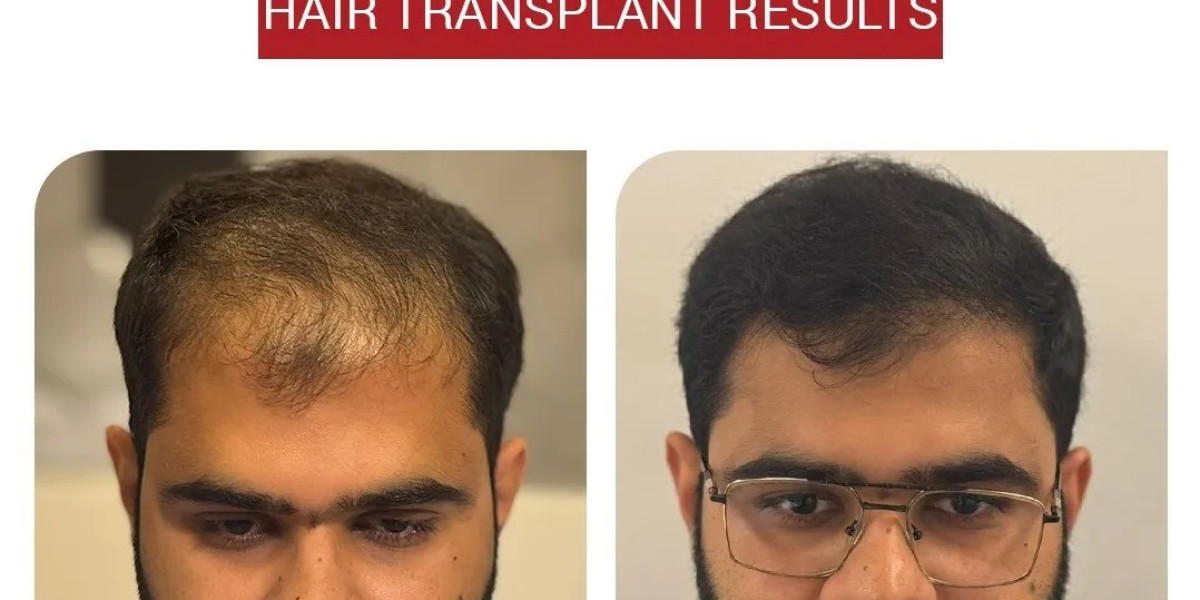
Sleeping properly after a hair transplant is extremely important for protecting newly implanted grafts and ensuring successful healing. During the first few nights, the transplanted hair follicles are delicate and can easily become damaged if proper sleeping precautions are not followed. Many patients ask how to sleep after a transplant because discomfort, swelling, and fear of harming the grafts are common concerns.
Following the right sleeping position and aftercare instructions can improve recovery and help achieve better hair transplant results.
Why Sleeping Position Matters After a Hair Transplant
After a hair transplant procedure, the scalp becomes sensitive and swollen. Newly implanted grafts need time to settle securely into the scalp. Incorrect sleeping positions may:
- Dislodge grafts
- Increase swelling
- Cause bleeding
- Slow healing
- Irritate the scalp
Proper sleeping habits reduce pressure on the treated area and support faster recovery.
Best Sleeping Position After Hair Transplant
Most hair transplant surgeons recommend sleeping with your head elevated at a 30 to 45-degree angle for the first few nights.
Sleep on Your Back
Sleeping on your back is considered the safest position because it prevents direct contact between the transplanted area and the pillow.
Keep Your Head Elevated
Use two or three pillows or a travel neck pillow to keep your head raised. Elevation helps reduce swelling around the forehead and eyes.
Use a Neck Pillow
A soft travel pillow can help stabilize your head while sleeping and prevent accidental turning during the night.
How Long Should You Sleep Upright?
Patients are usually advised to sleep with an elevated head position for about 5 to 7 days after the procedure. The exact duration depends on:
- Number of grafts transplanted
- Healing speed
- Presence of swelling
- Surgeon recommendations
Following your surgeon’s specific instructions is always important.
Can You Sleep on Your Side?
Sleeping on your side is generally not recommended during the first week because the transplanted grafts may rub against the pillow and become damaged.
After the initial healing phase, side sleeping may become safer depending on your recovery progress.
Avoid Sleeping on Your Stomach
Sleeping face down or on your stomach should be completely avoided after a hair transplant. This position places direct pressure on the grafts and significantly increases the risk of damaging newly implanted follicles.
Tips for Comfortable Sleep After Hair Transplant
Keep Bedding Clean
Use clean pillow covers and bedsheets to reduce the risk of infection and irritation.
Avoid Excessive Movement
Try to stay in a stable position while sleeping to protect the transplanted area.
Take Prescribed Medication
Pain relievers or anti-inflammatory medications prescribed by your doctor may help improve comfort during sleep.
Stay Hydrated
Proper hydration supports healing and may reduce discomfort after surgery.
Avoid Alcohol and Smoking
Alcohol and smoking can interfere with blood circulation and slow down healing.
How to Reduce Swelling While Sleeping
Swelling around the forehead and eyes is common after a hair transplant. Sleeping with your head elevated helps minimize fluid buildup.
Cold compresses applied carefully to the forehead — not directly on the grafts — may also help reduce swelling if approved by your surgeon.
What Happens If You Accidentally Touch the Grafts?
Many patients worry after accidentally touching their transplanted hair during sleep. Minor contact usually does not destroy grafts immediately, especially after the first few days. However, excessive rubbing or pressure can damage follicles before they fully heal.
If bleeding, severe pain, or graft displacement occurs, contact your clinic for advice.
When Are Hair Grafts Secure?
Hair grafts generally become more secure within 7 to 10 days after the procedure. By this stage, the risk of dislodging follicles decreases significantly.
However, complete healing continues for several weeks, so gentle scalp care remains important.
Signs of Healthy Healing
Normal healing signs after a hair transplant include:
- Mild redness
- Small scabs
- Temporary swelling
- Minor itching
- Light discomfort
These symptoms usually improve gradually during the first two weeks.
When to Contact Your Surgeon
Seek medical advice if you experience:
- Severe swelling
- Excessive bleeding
- Signs of infection
- Intense pain
- Pus or unusual discharge
- Fever
Early treatment helps prevent complications and protects your transplant results.
Final Thoughts
Knowing how to sleep after a hair transplant is essential for protecting newly implanted grafts and supporting successful healing. Sleeping on your back with your head elevated helps reduce swelling and prevents unnecessary pressure on the scalp. Avoid sleeping on your stomach or side during the first week, and always follow your surgeon’s aftercare instructions carefully.
Good sleeping habits combined with proper scalp care can improve comfort, speed up recovery, and help ensure natural-looking long-term hair transplant results.