Tooth pain caused by infection or deep decay can be intense and disruptive, making it difficult to enjoy daily life. In the past, people often feared root canal treatment, believing it to be painful and complicated. However, modern dentistry has completely changed this perception. Today, root canal treatment is a safe, comfortable, and highly effective way to save damaged teeth without pain.
What Is Root Canal Treatment?
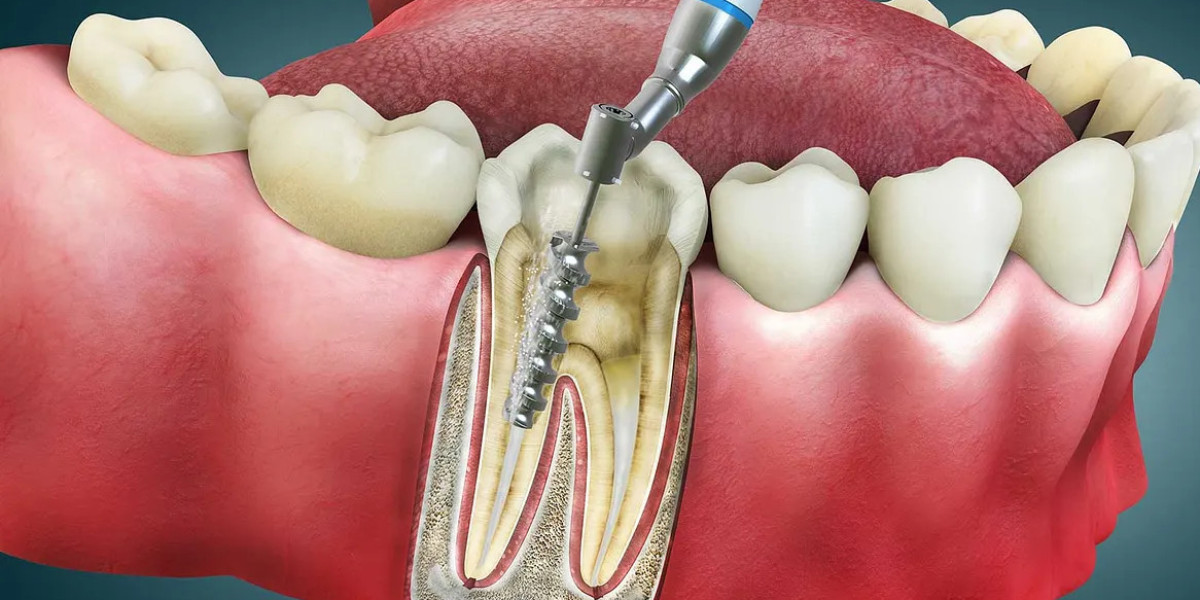
Root canal treatment is a dental procedure used to repair and save a tooth that has become severely infected or decayed. Inside each tooth is a soft tissue called pulp, which contains nerves and blood vessels. When bacteria reach this area due to cavities, cracks, or injury, it can lead to infection and severe pain.
During the procedure, the dentist removes the infected pulp, cleans the inside of the tooth, and seals it to prevent further infection. In most cases, a crown is placed afterward to restore strength and appearance.
Why Modern Root Canal Treatment Is Painless
Thanks to advanced dental technology and local anesthesia, root canal treatment today is almost painless. The anesthesia ensures that the tooth and surrounding area are completely numb during the procedure.
Additionally, modern instruments allow dentists to perform the treatment more precisely and efficiently, reducing discomfort and healing time. Many patients are surprised to find that a root canal feels similar to getting a regular filling.
Signs You May Need a Root Canal
You may need root canal treatment if you experience:
- Persistent or severe toothache
- Sensitivity to hot or cold foods
- Pain when chewing or biting
- Swollen or tender gums
- Darkening or discoloration of the tooth
- A pimple-like bump on the gums
- Facial or jaw swelling
Ignoring these symptoms can lead to worsening infection and possible tooth loss.
Benefits of Root Canal Treatment
Preserves Your Natural Tooth
Root canal therapy allows you to keep your natural tooth instead of removing it. This helps maintain proper chewing ability and jaw alignment.
Relieves Pain Effectively
The procedure removes the source of infection, providing immediate relief from severe tooth pain.
Prevents Tooth Extraction
By saving the tooth, root canal treatment helps you avoid extraction and more complex dental procedures like implants or bridges.
Restores Full Function
After treatment and restoration, the tooth works normally for biting, chewing, and speaking.
Long-Lasting Solution
With proper care, a root canal-treated tooth can last for many years, often a lifetime.
What Happens During the Procedure?
A typical root canal treatment includes the following steps:
- Dental examination and X-rays.
- Local anesthesia for a painless experience.
- Removal of infected pulp from inside the tooth.
- Cleaning and disinfecting the root canals.
- Filling and sealing the tooth.
- Placement of a crown for protection and strength.
The entire process is safe, efficient, and performed with patient comfort in mind.
Aftercare Tips for Better Healing
To ensure proper healing after a root canal:
- Maintain good oral hygiene by brushing and flossing daily.
- Avoid hard or sticky foods for a few days.
- Take prescribed medications if recommended by your dentist.
- Visit your dentist for follow-up checkups.
- Protect the restored tooth with regular care.
Conclusion
Root canal treatment is no longer something to fear. It is a painless, safe, and effective way to save damaged teeth and restore oral health. By eliminating infection and preserving your natural tooth, this treatment helps you maintain a healthy and confident smile. If you are experiencing tooth pain or sensitivity, consult your dentist early—because timely treatment can save your tooth and prevent future complications.