Modern life has become increasingly fast, demanding, and emotionally overwhelming. Many people today experience constant stress, emotional burnout, anxiety, mental fatigue, and difficulty maintaining inner balance. As a result, interest in holistic wellness practices and alternative healing methods has grown rapidly worldwide.
One practice gaining significant attention is Reiki healing – a gentle energy-based wellness technique that focuses on relaxation, emotional balance, and overall well-being.
Although Reiki is not a replacement for medical treatment or mental health care, many individuals use it as a complementary wellness practice to support emotional calmness and stress management.
In recent years, Reiki healing has become especially popular among people seeking mindfulness, spiritual growth, and emotional clarity in a digitally overloaded world.
What Is Reiki Healing?
Reiki is a Japanese energy healing practice developed in the early 20th century. The word “Reiki” combines the following:
- "Rei", meaning universal,
- And "Ki", meaning life energy.
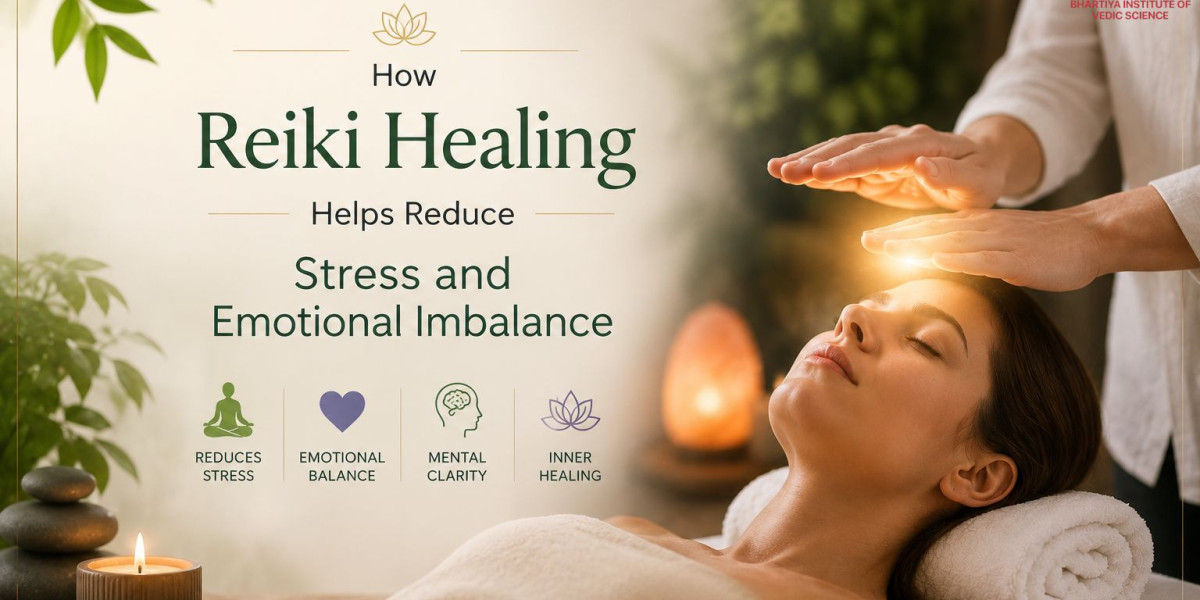
Practitioners believe that Reiki works by channelling positive energy through gentle hand placements around the body to encourage relaxation and energetic balance.
Many individuals describe Reiki sessions as the following:
- Calming
- Peaceful
- Emotionally Soothing
- Mentally Relaxing
Today, Reiki is commonly practised in:
- Wellness Centers
- Meditation Spaces
- Holistic Therapy Clinics
- Yoga Communities
- Spiritual Learning Programs
Why Stress and Emotional Imbalance Are Increasing
Modern lifestyles contribute heavily to emotional exhaustion and mental stress.
Common causes include:
- Work Pressure
- Social Media Overload
- Financial Uncertainty
- Relationship Challenges
- Sleep Problems
- Constant Digital Stimulation
Over time, unmanaged stress can affect:
- Emotional Stability
- Concentration
- Sleep Quality
- Confidence
- Overall Well-being
This growing emotional pressure is one reason why many people are exploring mindfulness practices, meditation, and Reiki healing.
How Reiki Healing Promotes Relaxation
One of the primary goals of Reiki is deep relaxation.
During a Reiki session, people often experience:
- Slower Breathing
- Reduced Mental Tension
- Emotional Calmness
- Physical Relaxation
Relaxation itself plays an important role in stress management because chronic stress keeps the nervous system in a heightened state of tension.
Many people report that Reiki sessions help them:
- Feel Mentally Lighter
- Release Emotional Heaviness
- Temporarily Disconnect from Overwhelming Thoughts
Although scientific research on Reiki is still limited and evolving, some individuals find the experience emotionally supportive and calming.
Reiki and Emotional Balance
Emotional imbalance can develop when stress, unresolved emotions, and mental exhaustion accumulate over time.
People experiencing emotional imbalance may notice:
- Mood Swings
- Irritability
- Anxiety
- Emotional Numbness
- Difficulty Focusing
Reiki healing is often used as a reflective and calming practice that encourages emotional awareness.
Practitioners believe energy flow disruptions may influence emotional well-being, and Reiki aims to support emotional harmony through relaxation and mindfulness.
Many individuals use Reiki alongside the following:
- Meditation
- Journaling
- Mindfulness Practices
- Therapy
- Yoga Routines
To improve emotional stability and self-awareness.
The Growing Popularity of Reiki Among Younger Generations
Younger audiences today are increasingly interested in the following:
- Self-Care
- Spiritual Wellness
- Emotional Healing
- Mindfulness
- Alternative Wellness Methods.
Platforms like Instagram, YouTube, and TikTok have contributed significantly to the rise of Reiki awareness.
Content related to:
- Energy Healing
- Emotional Wellness
- Meditation
- Spiritual Practices
Receives millions of views online.
This shift reflects a growing desire for the following:
- Inner Peace
- Emotional Understanding
- Healthier Mental Habits
As a result, many people are now exploring the following:
- Reiki Healing Course Programs
- Meditation Workshops
- Yoga Training
- Even Traditional Spiritual Subjects Like a Palmistry Course
To better understand holistic wellness systems.
Reiki as a Complementary Wellness Practice
It is important to understand that Reiki is generally considered a complementary wellness practice, not a medically proven cure for diseases or psychological disorders.
Responsible Reiki practitioners encourage individuals to:
- Seek Professional medical care when needed
- Maintain Healthy Routines
- Approach Reiki as a Supportive Relaxation Method.
This balanced perspective is important for maintaining trust and credibility in wellness-related content.
Modern EEAT-focused content standards emphasise the following:
- Transparency
- Honesty
- Responsible Claims
- Realistic Expectations.
Ethical Reiki practitioners avoid making extreme promises and instead focus on the following:
- Relaxation
- mindfulness
- Emotional Support
- Stress Reduction
Potential Benefits People Commonly Report
Although individual experiences vary, some people commonly report:
- Improved Relaxation
- Emotional Calmness
- Reduced Stress
- Better Sleep Quality
- Increased Mindfulness
- Greater Emotional Clarity after Reiki Sessions
These effects may partly result from:
- Focused Relaxation
- Calming Environments
- Intentional Breathing
- Dedicated Self-care Time
Regardless of spiritual beliefs, taking time to slow down and focus on emotional well-being can positively influence mental health.
Why Holistic Healing Practices Are Growing Worldwide
Interest in holistic wellness continues to increase globally because many individuals are seeking alternatives to constant stress and digital overload.
People are increasingly exploring the following:
- Meditation
- Ayurveda
- Reiki
- Yoga
- Astrology
- Numerology
- Mindfulness Practices
As part of a broader self-development journey.
The modern wellness movement is shifting from purely physical health toward the following:
- Emotional Wellness
- Mental Clarity
- Spiritual Balance
- Self-Awareness
This cultural shift explains why Reiki healing continues to gain popularity across different age groups and lifestyles.
Is Reiki Scientifically Proven?
Scientific evidence regarding Reiki remains limited and mixed. While some studies suggest Reiki may help promote relaxation and reduce perceived stress, it is not universally recognised as a scientifically proven medical treatment.
However, many individuals continue to value Reiki for the following:
- Emotional Comfort
- Mindfulness
- Relaxation
- Personal Reflection
The calming environment and focused attention involved in Reiki sessions may contribute positively to emotional well-being for some individuals.
It is important to approach Reiki with balanced expectations and view it as part of a broader wellness routine rather than a guaranteed solution.
Conclusion
Reiki healing has become increasingly popular because many people are searching for emotional balance, stress relief, and inner calm in a highly demanding world.
While Reiki is not a substitute for professional medical or psychological care, many individuals find it helpful as a complementary relaxation and mindfulness practice. From reducing emotional tension to encouraging self-awareness, Reiki offers a gentle approach to holistic wellness that resonates strongly with modern lifestyles.
As awareness about emotional health and self-care continues to grow, practices like Reiki healing are likely to remain an important part of the global wellness conversation.