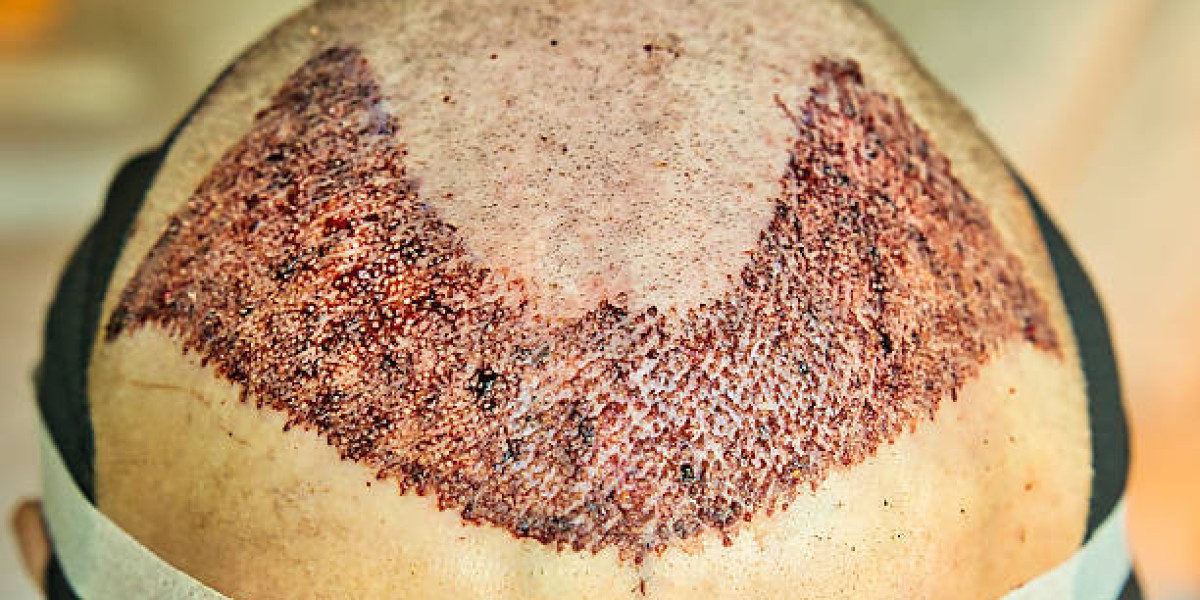
Deciding to undergo a hair transplant is a significant move toward long-term hair restoration, but the clarity of the process relies heavily on managing expectations. While modern technology allows for truly life-changing outcomes, the path to a full head of hair is a biological process that demands patience. When planning a hair transplant in Dubai, understanding the difference between the immediate post-operative period, the transition phases, and the final result is essential. By grounding your expectations in the reality of human hair growth, you can approach your procedure with confidence and peace of mind.
The Reality of the Growth Timeline
One of the most important aspects of the journey is the "waiting game." Hair follicles are living biological units, and they require time to anchor, heal, and enter their active growth phase.
The Shedding Phase: In the weeks following surgery, the hair shafts of the transplanted follicles often shed. This is a normal part of the process—the follicles themselves remain safely embedded in the scalp and will begin to produce new, permanent hair shortly thereafter.
The Incubation Period: It is common for the scalp to appear relatively unchanged for the first three months. This period requires patience, as the hair is quietly transitioning through its resting stage.
Visible Transformation: Significant growth typically becomes noticeable between months four and eight, with the final density and maturity of the hair shafts continuing to improve up to 18 months post-surgery.
Defining Your Restoration Goals
Every patient has a unique starting point, and your goals should be tailored to your specific anatomy. A successful outcome is defined by balance, not just the number of grafts.
Defining the Hairline: Your surgeon will work to create a hairline that is age-appropriate and suits your facial structure. Aiming for a "juvenile" hairline that you had at age 15 may not be realistic or aesthetically pleasing as you continue to mature.
Addressing Coverage vs. Density: If your thinning is extensive, your surgeon may recommend focusing on achieving natural-looking coverage across the entire thinning area rather than high density in one small spot.
The Donor Supply Limit: Your donor area—the back and sides of your scalp—is a finite resource. A responsible surgeon will prioritize the health of this area, ensuring that we maximize your current results without over-harvesting.
Why Precision Matters More Than Numbers
Many patients focus exclusively on the number of grafts, but in the hands of an expert, it is the placement of those grafts that determines the final result. Strategic angling, proper spacing to maintain blood supply, and the careful selection of single-hair grafts for the hairline are the factors that create a natural aesthetic. When you choose a specialist, you are paying for the judgment and artistry that ensures those grafts provide the maximum visual impact.
Long-Term Maintenance and Health
While the transplanted hair is permanent, it is important to remember that it sits alongside your existing, non-transplanted hair. Many patients choose to adopt a long-term hair health plan that includes non-surgical supportive therapies to stabilize the hair that wasn't transplanted. This holistic approach ensures that your overall appearance remains consistent and healthy for decades to come.
Frequently Asked Questions
Is there a "perfect" result?
A perfect result is one that looks completely natural and is undetectable as a surgical procedure. By focusing on realism and artistry, you achieve an outcome that enhances your features rather than drawing attention to the restoration itself.
Why does it take over a year to see final results?
Hair growth is a slow, cyclical process. It takes time for the grafts to integrate, for the hair shafts to emerge, and for those shafts to gain the necessary pigment, thickness, and length to provide full coverage.
Can I change my mind about the hairline shape?
The hairline design is finalized during your pre-operative planning. It is a collaborative process where you and your surgeon agree on the shape before the procedure begins, ensuring that the design aligns perfectly with your aesthetic goals.
How do I know if my expectations are realistic?
Your consultation is designed for this exact purpose. The surgeon will perform a detailed analysis of your scalp and donor availability to provide a clear, honest overview of what can be achieved, ensuring you are fully prepared for the journey ahead.
Achieving a successful hair transplant in Dubai is about combining technical skill with transparent communication. At Tajmeels Clinic, we believe that an informed patient is a satisfied patient, and we are committed to providing you with the knowledge and the expert care needed to achieve a result that you will feel confident in for the rest of your life.