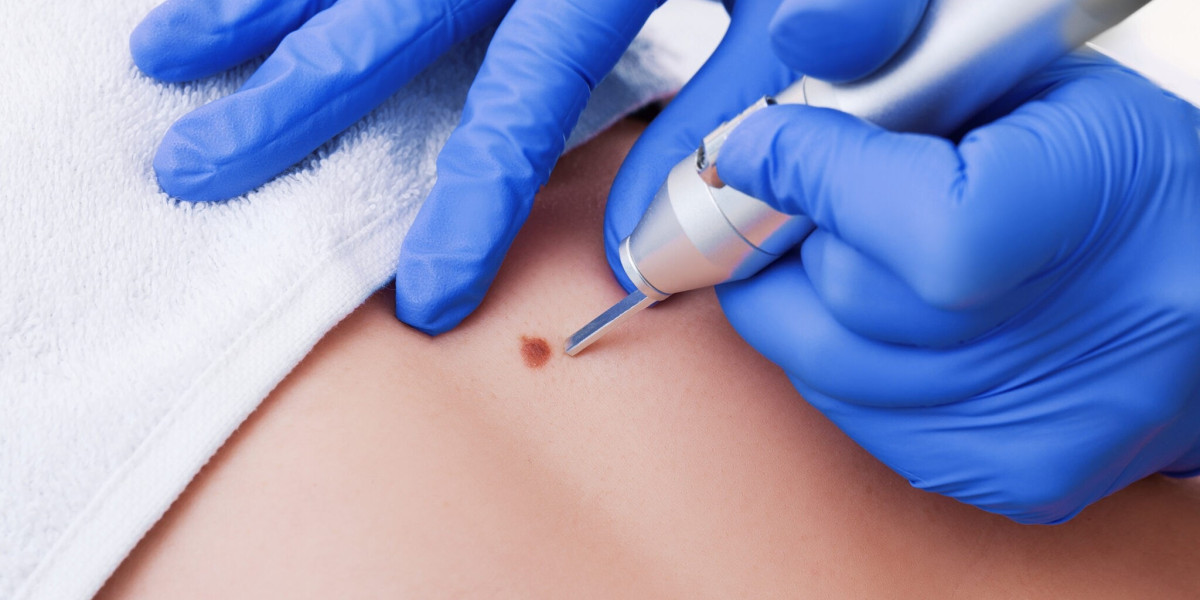
Mole removal is a common cosmetic and medical procedure performed to improve appearance or eliminate suspicious skin growths. One of the most frequently asked questions by patients is whether mole removal leaves scars. The answer depends on several factors, including the size and location of the mole, the removal method used, and how well the skin heals after treatment. While some degree of scarring is possible with any skin procedure, modern techniques can significantly minimize visible marks and help patients achieve excellent cosmetic outcomes.
Many individuals seeking mole removal in Islamabad are concerned about the appearance of their skin after treatment. Fortunately, advancements in dermatology and cosmetic surgery have made it possible to remove most moles with minimal scarring. Understanding the healing process and following proper aftercare instructions can further reduce the chances of noticeable scars.
Understanding Mole Removal Procedures:
Moles can be removed using several techniques depending on their size, depth, and medical requirements. The most common methods include surgical excision, shave excision, laser removal, and radiofrequency treatments.
Surgical excision involves cutting out the mole and stitching the skin closed. This method is often recommended for larger or suspicious moles because it allows the tissue to be examined in a laboratory. While it may leave a small scar, skilled practitioners place incisions carefully to make scars less visible.
Shave excision removes the mole from the skin's surface without deep cutting. This technique generally results in a smaller scar and a quicker recovery period. Laser and radiofrequency treatments are often used for cosmetic mole removal and can produce excellent aesthetic results with minimal skin damage.
Why Scars Can Occur After Mole Removal:
Any procedure that affects the skin’s deeper layers can potentially result in scarring. When the skin is injured, the body naturally produces collagen fibers to repair the area. This healing process creates scar tissue.
Several factors influence how noticeable a scar may become, including:
- The size and depth of the mole
- The removal technique used
- Individual skin type
- Genetics
- Age
- Sun exposure during healing
- Proper wound care
People with darker skin tones may experience hyperpigmentation or darker scars, while some individuals are naturally prone to raised scars such as keloids.
Types of Scars After Mole Removal:
Different types of scars can develop after mole removal depending on the healing process.
Flat Scars:
Flat scars are the most common and usually fade significantly over time. They may initially appear pink or red but gradually blend into the surrounding skin.
Raised Scars:
Raised scars occur when excess collagen forms during healing. These scars may feel slightly elevated but often improve with treatment and time.
Keloid Scars:
Keloids are larger, raised scars that extend beyond the original treatment area. They are more common in individuals with a genetic tendency toward excessive scar formation.
Depressed Scars:
In some cases, a small indentation may develop if tissue beneath the mole is removed. These scars are less common but can occur with deeper procedures.
How to Minimize Scarring After Mole Removal:
Proper aftercare plays a critical role in reducing scar visibility. Consulting a Best dermatologist in islamabad can help ensure optimal healing and personalized guidance based on your skin type.
Some effective scar-minimization tips include:
- Keep the treated area clean and protected.
- Follow all post-procedure instructions carefully.
- Avoid picking at scabs.
- Apply prescribed ointments as directed.
- Stay hydrated and maintain a healthy diet.
- Use sunscreen daily to prevent discoloration.
- Avoid excessive stretching of the treated area.
Patients who follow these recommendations often experience smoother healing and less noticeable scars.
Does the Removal Method Affect Scarring?
Yes, the removal technique significantly impacts the likelihood and appearance of scarring.
Surgical Excision:
This method generally leaves a small linear scar because stitches are required. However, it is often the preferred choice for complete mole removal and biopsy purposes.
Shave Excision:
Shave excision typically leaves minimal scarring because it only removes the mole from the surface layers of the skin.
Laser Mole Removal:
Laser treatment is often associated with little to no visible scarring when performed correctly. It works best for smaller, non-cancerous moles.
Radiofrequency Removal:
Radiofrequency technology uses controlled energy to remove moles with precision and minimal tissue damage, often resulting in excellent cosmetic outcomes.
How Long Does It Take for Scars to Fade?
Scar maturation is a gradual process. While the wound itself may heal within a few weeks, scar improvement can continue for several months.
Typical scar healing timeline:
- First 2 weeks: Initial wound closure
- 1–3 months: Redness begins to decrease
- 3–6 months: Scar becomes flatter and lighter
- 6–12 months: Final scar appearance develops
Many patients notice significant fading within the first year following treatment.
Can Existing Mole Removal Scars Be Treated?
If a scar remains noticeable after healing, several treatment options can improve its appearance.
Popular scar treatments include:
- Silicone gel sheets
- Scar creams
- Microneedling
- Laser resurfacing
- Chemical peels
- Steroid injections for raised scars
- Radiofrequency treatments
A qualified specialist can evaluate the scar and recommend the most suitable solution based on its type and severity.
Factors That Influence Scar Formation:
Not everyone heals in the same way. Certain factors increase the likelihood of visible scarring.
These include:
- Smoking
- Poor wound care
- Infection
- Excessive sun exposure
- Genetic predisposition
- Certain medical conditions
- Removal of very large or deep moles
Understanding these risk factors allows patients to take proactive steps toward better healing outcomes.
When Should You Consider Mole Removal?
Mole removal is recommended for both cosmetic and medical reasons. If a mole changes in size, color, shape, or texture, it should be examined by a qualified professional. Cosmetic removal may also be beneficial when moles affect confidence or cause irritation from clothing or shaving.
Choosing an experienced practitioner ensures that the procedure is performed safely while minimizing the risk of complications and scarring.
Final Thoughts:
The possibility of a scar after mole removal exists, but modern techniques and proper aftercare can greatly reduce its visibility. Most scars become less noticeable over time and can often be improved further with specialized treatments. Whether the goal is cosmetic enhancement or medical evaluation, selecting a trusted clinic and following recovery instructions are essential for achieving the best results. For expert consultation, advanced treatments, and personalized care, visit Royal cosmetic surgery clinic.