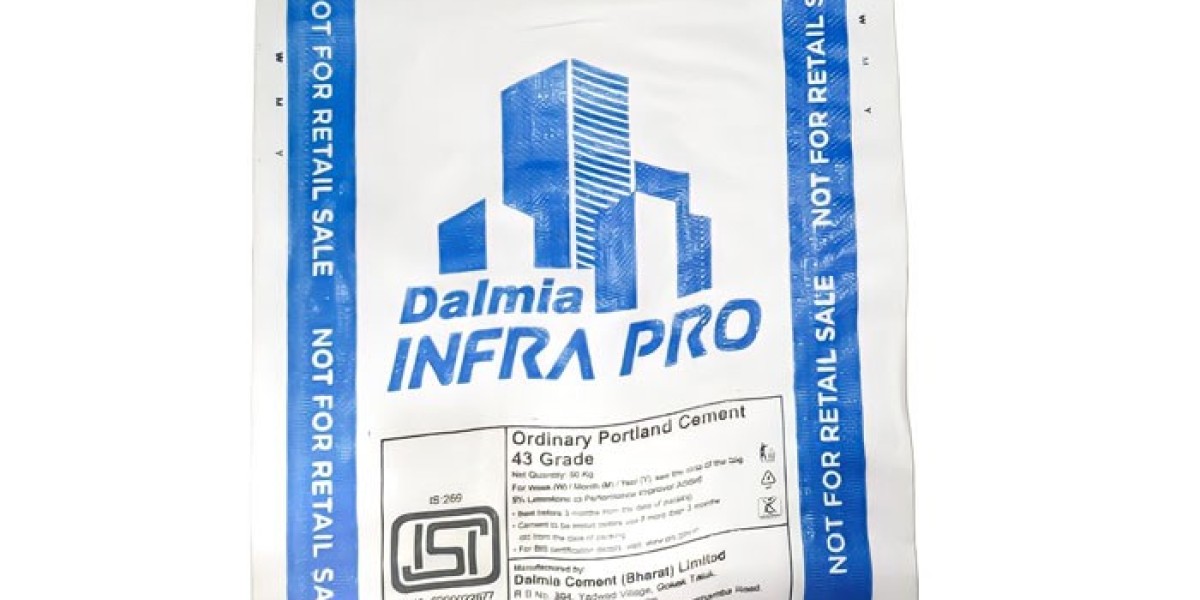
In the modern construction and infrastructure sector, efficient and secure packaging plays a vital role in maintaining product quality and minimizing waste. Among the many innovations in industrial packaging, Valve Type Cement Bags have emerged as a game-changer for cement manufacturers and suppliers. Designed to meet the unique challenges of handling fine powder materials like cement, these bags offer unmatched convenience, durability, and efficiency.
What Are Valve Type Cement Bags?
A Valve Type Cement Bag is a specially designed polypropylene (PP) woven sack or paper sack equipped with a self-closing valve at one end. This valve allows for quick filling of the bag without the need for stitching or sealing. Once filled, the pressure of the material automatically seals the valve, preventing leakage or spillage. This innovative feature makes these bags ideal for packaging cement, fly ash, and other fine powders that require precise handling.
The Structure and Design
Valve Type Cement Bags are typically made from woven polypropylene fabric or multi-layer kraft paper, depending on the packaging requirement. The valve system is integrated into the top or side of the bag and is designed for easy compatibility with automatic filling machines. The inner valve can be made of PE (polyethylene) or PP film, ensuring an airtight seal once the filling process is complete.
Some advanced designs also include BOPP (Biaxially Oriented Polypropylene) laminated layers, which improve the bag’s appearance, moisture resistance, and print quality. This combination of structure and material ensures that the cement remains dry and uncontaminated throughout its storage and transport.
Key Features and Advantages
Leak-Proof Design
The valve mechanism eliminates the need for stitching, reducing the chances of leakage and material wastage during filling and handling.Moisture Resistance
Laminated PP woven fabric provides excellent protection against humidity, keeping the cement dry and preserving its quality even in harsh conditions.Ease of Handling
The valve design enables faster filling and self-sealing, significantly increasing productivity in cement packaging plants.High Strength and Durability
These bags can withstand rough handling, stacking, and long-distance transportation without tearing or losing shape.Eco-Friendly and Reusable
Many manufacturers produce recyclable and reusable valve-type bags, reducing environmental impact and promoting sustainability in the packaging industry.Attractive Printing and Branding
With high-quality surface lamination, these bags can feature detailed graphics and company logos, enhancing brand visibility and appeal on retail shelves.
Applications of Valve Type Bags
While cement remains the most common product packaged in valve-type bags, their usage extends to several other industries:
Construction Materials: Fly ash, gypsum, and mortar mix.
Chemical Industry: Fine powders like calcium carbonate, titanium dioxide, and plastic granules.
Food Industry: Flour, sugar, and other powdered products.
Fertilizer Industry: Urea, potash, and other dry granules.
Their versatility makes them an ideal choice for any product that requires dust-free, moisture-resistant, and tamper-proof packaging.
Why the Cement Industry Prefers Valve Type Bags
Cement manufacturers around the world are increasingly switching to valve-type PP woven bags because of their superior performance compared to traditional jute or paper sacks.
Efficiency: The valve allows for high-speed filling using automatic machines, saving both time and labor costs.
Cleanliness: Dust-free packaging improves the hygiene of the working environment and reduces product loss.
Protection: Cement retains its chemical composition for longer due to the moisture barrier provided by the laminated surface.
Cost Savings: Reduced leakage, faster filling, and reusability contribute to overall cost efficiency.
Comparing Valve Type Cement Bags with Traditional Packaging
| Feature | Valve Type Cement Bag | Traditional Paper/Jute Bag |
|---|---|---|
| Leakage | Minimal to none | High chance of leakage |
| Moisture Resistance | Excellent | Poor |
| Durability | Very strong | Low strength |
| Filling Speed | Fast (machine-compatible) | Slow (manual or semi-automatic) |
| Branding | High-quality print | Limited |
| Reusability | Yes | No |
This comparison clearly shows why the construction industry is rapidly transitioning to valve-type PP woven bags for cement packaging.
Sustainability and Environmental Benefits
Modern valve-type cement bags are designed with sustainability in mind. Unlike single-use paper sacks, PP woven bags are recyclable and reusable, helping reduce environmental waste. Some manufacturers also use biodegradable additives or eco-friendly coatings to enhance the green credentials of their packaging products. Furthermore, the reduction in spillage during filling and transport means less cement wastage, which indirectly contributes to resource conservation.
Future of Valve Type Cement Bags
The future of cement packaging is closely tied to automation and environmental responsibility. With continuous advancements in materials and production technologies, valve-type PP woven bags are becoming lighter, stronger, and more visually appealing. Many leading packaging companies are now offering BOPP laminated valve bags, which combine superior strength with stunning graphics, helping brands stand out while maintaining performance.
As sustainability becomes a global priority, manufacturers are also focusing on recyclable polypropylene composites and energy-efficient manufacturing methods to meet both industrial and environmental standards.
Conclusion
Valve Type Cement Bags represent a perfect blend of innovation, efficiency, and sustainability in modern packaging. Their leak-proof design, moisture resistance, and compatibility with automated filling systems have revolutionized the way cement and similar materials are handled across the globe. For cement producers aiming to improve their product quality, reduce waste, and strengthen their brand image, switching to valve-type PP woven bags is not just a smart move—it’s a long-term investment in durability and sustainability.