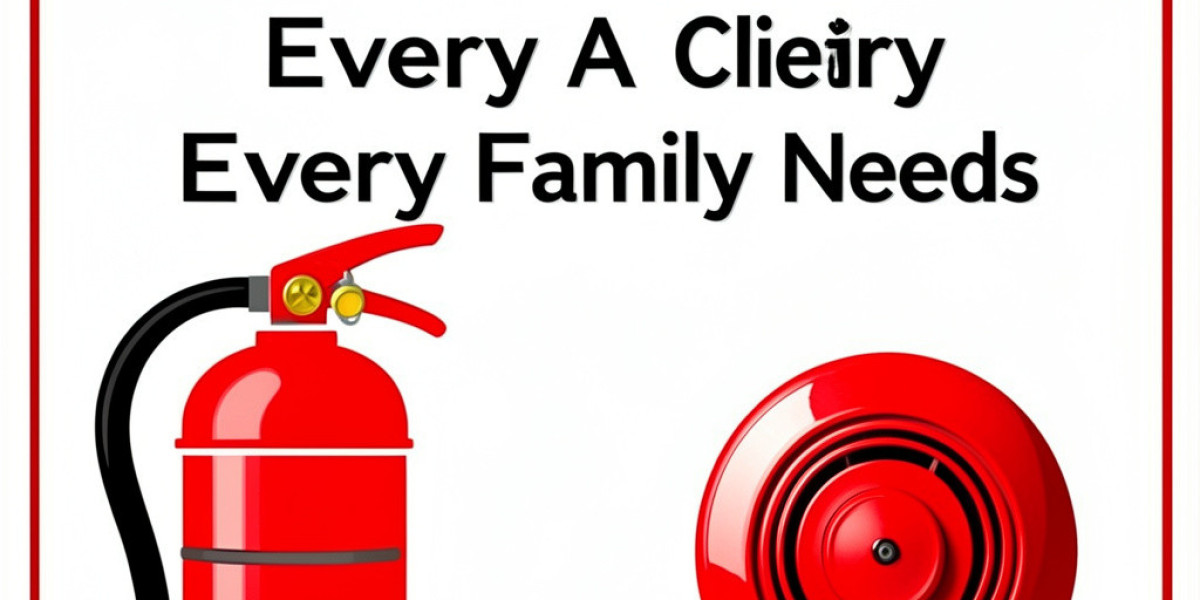
Fire safety is one of the most important aspects of home maintenance, yet it is often overlooked until an emergency occurs. A small kitchen accident, faulty electrical wiring, unattended candles, or heating equipment can quickly turn into a dangerous house fire. Taking preventive measures today can help protect your home, your belongings, and the people who matter most.
Fortunately, improving fire safety does not require major renovations. Regular inspections, proper maintenance, and a well-prepared emergency plan can significantly reduce fire risks. Every household should know how to identify common hazards, maintain safety equipment, and respond quickly if a fire occurs.
This guide provides a practical home fire safety checklist that every family can follow to create a safer living environment.
Install and Test Smoke Alarms
Smoke alarms provide early warning when a fire starts, giving occupants valuable time to leave the home safely.
Install smoke alarms inside every bedroom, outside sleeping areas, and on every level of your home, including the basement if applicable.
Test each smoke alarm at least once a month by pressing the test button. Replace batteries as recommended by the manufacturer, or immediately if the alarm begins to chirp.
Clean smoke alarms periodically to remove dust that may affect their performance.
Replace older smoke alarms according to the manufacturer's recommended service life to ensure reliable protection.
Keep Fire Extinguishers Ready
Every home should have at least one fire extinguisher that is easy to access.
Place fire extinguishers in high-risk areas such as the kitchen, garage, workshop, or utility room.
Inspect the pressure gauge regularly to verify the extinguisher is ready for use. Replace or service it if the pressure falls outside the recommended range.
Learn how to operate the extinguisher before an emergency occurs. Reading the instructions in advance can save valuable time during an unexpected situation.
Never block access to a fire extinguisher with furniture or storage boxes.
Prevent Kitchen Fires
The kitchen is one of the most common locations for household fires.
Never leave cooking food unattended, especially when frying or using high heat.
Keep paper towels, dish towels, wooden utensils, and other combustible materials away from the stovetop.
Turn pot handles inward to reduce the chance of accidentally knocking cookware off the stove.
Clean grease buildup from stovetops, ovens, and range hoods regularly because accumulated grease can ignite during cooking.
Keep a lid nearby to safely smother small grease fires. Never pour water onto burning cooking oil.
Practice Electrical Safety
Electrical problems are a frequent cause of residential fires.
Inspect power cords for cracks, exposed wiring, or other signs of wear. Replace damaged cords immediately.
Avoid overloading electrical outlets or extension cords with multiple high-power appliances.
Use surge protectors for valuable electronics and follow the manufacturer's recommendations for electrical equipment.
Schedule inspections if you notice flickering lights, frequently tripped circuit breakers, burning odors, or warm electrical outlets.
Professional repairs help reduce the risk of electrical fires.
Use Heating Equipment Safely
Portable heaters and fireplaces require extra attention during colder months.
Keep heaters at least three feet away from furniture, curtains, bedding, and other flammable materials.
Turn portable heaters off whenever leaving the room or going to sleep.
Inspect fireplaces, chimneys, and wood stoves regularly to remove soot and debris that may increase fire risk.
Use a sturdy fireplace screen to prevent sparks from escaping into the room.
Following safe heating practices greatly reduces seasonal fire hazards.
Store Flammable Materials Properly
Many household products can increase fire risk if stored incorrectly.
Keep gasoline, paint, solvents, and similar products in tightly sealed containers away from heat sources.
Store these materials in a cool, dry, and well-ventilated area that is separate from living spaces whenever possible.
Dispose of oily rags and other combustible waste according to local safety guidelines.
Avoid storing combustible materials near furnaces, water heaters, or electrical panels.
Proper storage helps minimize the likelihood of accidental ignition.
Create and Practice an Emergency Escape Plan
Every household should have a clear fire escape plan.
Identify at least two exits from every room whenever possible.
Choose a safe outdoor meeting location where everyone should gather after leaving the home.
Practice your escape plan several times each year so everyone knows what to do during an emergency.
Teach children how to recognize the sound of smoke alarms and how to exit safely without stopping to collect personal belongings.
Preparation increases confidence and reduces confusion during emergencies.
Maintain Fire Safety Throughout the Year
Fire prevention should become part of your regular home maintenance routine.
Inspect smoke alarms, fire extinguishers, electrical systems, and heating equipment on a scheduled basis.
Keep hallways, stairways, and exits free from clutter that could slow evacuation.
Trim vegetation around outdoor grills and keep grills safely away from your home's exterior walls.
Review your emergency plan periodically and update it whenever your household changes.
Consistent maintenance helps reduce fire hazards year-round.
Conclusion
Home fire safety begins with prevention, preparation, and regular maintenance. Installing working smoke alarms, keeping fire extinguishers accessible, practicing safe cooking habits, maintaining electrical and heating systems, storing flammable materials properly, and creating a family escape plan all contribute to a safer home.
Taking these simple steps today can reduce the risk of fire, minimize property damage, and improve your family's ability to respond quickly during an emergency. A well-prepared home provides greater peace of mind and better protection throughout every season.