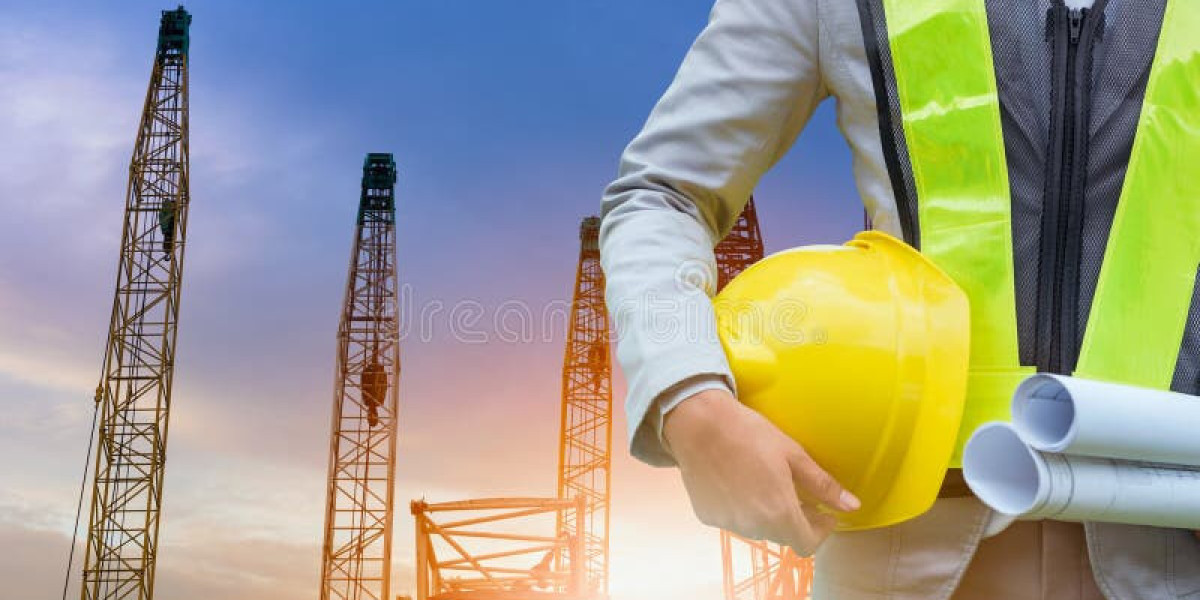
Workplace safety is a continuous challenge, especially in industrial settings, construction sites, and large warehouses. A single misstep, such as an unsecured tool or loose material at height, can trigger accidents that result in serious injuries or operational disruptions. Despite strict safety protocols, many incidents occur simply because hazards were overlooked or inspections were inconsistent. Ensuring safety requires proactive monitoring, structured risk assessment, and ongoing worker education.
Professionals completing IOSH Courses understand the crucial role of regular inspections in preventing falling debris incidents. These programs equip supervisors and safety officers with the knowledge to identify high-risk areas, assess structural vulnerabilities, and implement corrective actions before accidents happen. This article explores the nature of falling debris hazards, practical inspection strategies, and how structured training enhances workplace safety outcomes.
Understanding Falling Debris Hazards
Falling debris includes any material or object that can detach and fall from an elevated position. This encompasses tools, construction materials, fragments from demolition, or maintenance work. Even lightweight objects can cause serious injuries when dropped from sufficient height. Recognizing these hazards early is essential to prevent harm.
Common sources of falling debris include scaffolding, cranes, overhead storage systems, stacked materials, and elevated work platforms. Environmental factors such as wind, vibration, or temporary structural instability can increase the risk. Supervisors must be vigilant in monitoring these conditions and enforce preventive measures.
1. The Importance of Risk Assessments
Effective control of debris hazards begins with comprehensive risk assessments. Supervisors evaluate the potential for objects to fall, considering load weight, worker proximity, structural integrity, and environmental conditions. A thorough assessment allows organizations to prioritize interventions and allocate safety resources effectively.
Integrating technology with traditional assessments enhances hazard detection. Tools like structural sensors, cameras, and drones provide real-time data to supplement visual inspections. Supervisors trained through IOSH Courses learn how to interpret this information to anticipate incidents before they occur.
2. Supervisory Responsibilities in Preventing Incidents
Supervisors are the first line of defense against falling debris accidents. Their responsibilities include ensuring that:
All personnel wear appropriate PPE, including helmets, gloves, and safety goggles.
Scaffolding, platforms, and storage systems meet structural and regulatory standards.
Areas beneath elevated loads are restricted to trained personnel only.
Proactive supervision reinforces a culture of safety, helping workers understand the importance of vigilance and adherence to procedures.
3. Technology-Assisted Hazard Monitoring
Modern workplaces benefit from technological solutions that support safety supervision. Sensors, IoT devices, and automated alerts detect structural weaknesses, vibrations, or unsecured loads. Cameras and drones allow supervisors to inspect elevated areas without direct exposure to risk.
Real-time monitoring improves response times, allowing supervisors to intervene quickly. Data-driven tools also enable predictive maintenance, reducing the likelihood of falling debris incidents through preemptive action.
4. Inspection Procedures and Best Practices
Regular inspections are a cost-effective, practical strategy to manage falling debris hazards. Key practices include conducting daily visual checks of scaffolding, platforms, and storage areas, securing loose materials with nets or tie-downs, and monitoring high-risk zones for environmental changes. Consistent inspections ensure that potential hazards are addressed promptly and that safety protocols are followed.
5. Predictive Analytics for Proactive Safety
Predictive analytics use historical data and real-time environmental readings to forecast potential debris incidents. Supervisors can adjust work procedures, schedule preventive maintenance, or reinforce weak structures based on analytical insights. Integrating these approaches into safety protocols improves overall hazard management.
6. Worker Training and Awareness
Even the most thorough inspections cannot replace effective worker education. Employees must understand proper material handling, hazard recognition, and emergency response procedures. Simulated exercises and augmented reality (AR) training provide safe, practical experience in identifying falling debris risks.
Ongoing training helps workers adapt to changing conditions on site. Supervisors must ensure that training programs remain current, reflecting new hazards, technologies, and workplace dynamics.
7. Documentation and Incident Reporting
Accurate record-keeping is critical for preventing repeated hazards. Supervisors should document incidents, near-misses, and inspection outcomes. Digital reporting systems enhance accountability and allow data-driven decisions to improve safety strategies.
Comprehensive documentation also supports regulatory compliance and demonstrates an organization’s commitment to worker protection. Maintaining detailed logs ensures lessons learned are applied to future operations.
8. Cultivating a Safety Culture
A strong safety culture encourages proactive hazard identification and compliance. Supervisors set the tone by modeling safe behavior, reinforcing protocol adherence, and rewarding employees for vigilance. Combined with regular inspections and technology-assisted monitoring, a robust safety culture significantly reduces falling debris risks.
9. Integrating Professional Training for Supervisors
Structured professional development is essential for competent supervision. Programs like IOSH Courses provide supervisors with the knowledge to conduct risk assessments, enforce safety measures, and respond effectively to incidents. Learning pathways cover hazard recognition, procedural compliance, and practical implementation strategies.
When exploring training options, reviewing IOSH Course Online details, including course content, accreditation, and duration, ensures supervisors gain relevant, accredited skills. High-quality training equips personnel to integrate inspections, technology, and procedural oversight effectively.
Frequently Asked Questions
1. What qualifies as falling debris?
Any object, material, or fragment that can detach from an elevated position and pose a risk to personnel below.
2. How often should inspections be conducted?
Daily inspections are recommended for high-risk areas. More thorough checks should occur weekly or after environmental changes.
3. Are inspections alone sufficient to prevent accidents?
No. Inspections must be combined with PPE usage, worker training, and adherence to established safety protocols.
4. How can technology improve debris monitoring?
Sensors, cameras, drones, and predictive analytics enable real-time hazard detection and preventive action, minimizing human exposure.
5. Why is incident documentation important?
Recording incidents, near-misses, and inspection outcomes identifies patterns, supports compliance, and informs corrective safety measures.
Conclusion
Falling debris hazards are a persistent threat in workplaces with elevated operations. Regular inspections, combined with proactive supervision, worker training, and technology-assisted monitoring, form a comprehensive defense against accidents. Supervisors trained through IOSH Courses are equipped to assess risks, enforce safety protocols, and foster a culture of vigilance. Leveraging structured training, including IOSH Course Online pathways, ensures safety professionals maintain safer, accident-free workplaces while promoting long-term operational reliability.