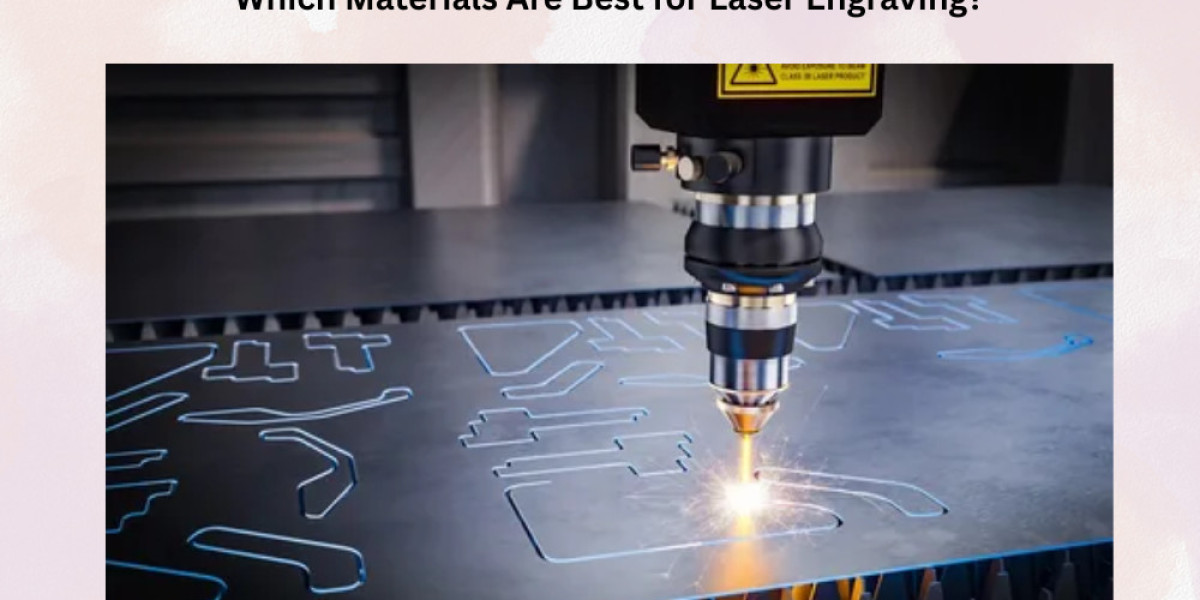
Laser engraving is a popular method used to create designs, logos, and text on different surfaces. It uses a laser beam to mark or cut materials with high precision. Many businesses and individuals use laser engraving for branding, gifts, and industrial purposes.
One important question people often ask is: which materials are best for laser engraving? In this blog, we will explain this in simple and easy words so you can understand which material to choose for the best results.
Note: Professional laser engraving in Dubai offers precise, high-quality, and long-lasting designs on various materials for branding, customization, and industrial applications.
What Is Laser Engraving?

Laser engraving is a process where a laser beam removes a small layer from the surface of a material. This creates a permanent mark.
Why Laser Engraving Is Popular
- High accuracy and detail
- Long-lasting results
- Works on many materials
- Clean and professional finish
Why Choosing the Right Material Is Important
Better Engraving Quality
Some materials give clearer and sharper results than others.
Long-Lasting Designs
The right material ensures the design stays for a long time.
Cost Efficiency
Using suitable materials reduces waste and improves results.
Best Materials for Laser Engraving
Let’s explore the most common and best materials used for laser engraving.
Wood
Why Wood Is Popular
Wood is one of the most commonly used materials for laser engraving.
Types of Wood
- Plywood
- MDF (Medium Density Fiberboard)
- Hardwood
Benefits
- Easy to engrave
- Natural and attractive look
- Great for gifts and décor
Common Uses
- Nameplates
- Photo frames
- Decorative items
Acrylic
What Is Acrylic?
Acrylic is a plastic material that looks like glass.
Why It Works Well
- Smooth surface
- Clean engraving finish
- Available in many colors
Benefits
- Modern appearance
- Lightweight and durable
Uses
- Signage
- Awards
- Display items
Metal
Can You Engrave Metal?
Yes, but it depends on the type of metal and the laser used.
Common Metals
- Stainless steel
- Aluminum
- Brass
Benefits
- Strong and long-lasting
- Professional look
Uses
- Industrial parts
- Nameplates
- Jewelry
Glass
Unique Look
Glass engraving creates a frosted or etched effect.
Benefits
- Elegant appearance
- Ideal for premium products
Uses
- Awards
- Glassware
- Decorative items
Important Note
Glass needs careful handling during engraving.
Leather
Why Leather Is Used
Leather gives a rich and stylish look when engraved.
Benefits
- Soft material
- Unique finish
- Great for personalization
Uses
- Wallets
- Belts
- Bags
Paper and Cardboard
Simple and Affordable
These materials are easy to engrave and cut.
Benefits
- Low cost
- Good for creative projects
Uses
- Invitations
- Packaging
- Craft items
Rubber
Special Use
Rubber is often used to make stamps.
Benefits
- Easy to engrave
- Flexible material
Uses
- Custom stamps
- Seals
Plastic
Versatile Option
Many types of plastic can be engraved.
Benefits
- Lightweight
- Available in many colors
Uses
- Labels
- Sign boards
- Industrial parts
Materials to Avoid for Laser Engraving
Not all materials are safe or suitable for laser engraving.
PVC (Polyvinyl Chloride)
Why Avoid It
PVC releases harmful gases when engraved.
Certain Coated Materials
Risky Results
Some coatings may burn or produce poor results.
Reflective Metals (Without Proper Tools)
Difficult to Engrave
These need special lasers or coatings.
Factors to Consider When Choosing Material
Choosing the right material depends on your needs.
Purpose of Engraving
What Is It For?
- Decoration
- Branding
- Industrial use
Design Complexity
Simple or Detailed?
Some materials are better for fine details.
Budget
Cost Matters
Choose a material that fits your budget.
Durability Needs
Long-Term Use
For outdoor or heavy use, choose strong materials like metal or acrylic.
Benefits of Using the Right Material
Better Results
Clear and sharp engraving improves appearance.
Less Waste
Right material reduces mistakes and saves cost.
Customer Satisfaction
High-quality products make customers happy.
Tips for Best Laser Engraving Results
Test Before Final Work
Always test on a small piece before engraving the final product.
Use Proper Settings
Correct laser power and speed are important.
Keep Material Clean
Clean surfaces give better engraving results.
Conclusion
Laser engraving is a powerful and flexible method used on many materials. The best material depends on your purpose, design, and budget. Wood, acrylic, metal, glass, leather, and plastic are some of the most popular choices.
Each material has its own benefits and uses. Choosing the right one helps you achieve clean, sharp, and long-lasting results.
By understanding different materials and following simple tips, you can get the best outcome from your laser engraving projects. Whether for personal use or business, the right material makes all the difference.
For more insightful articles related to this topic, feel free to visit: nepalaviyan.com